
Topic overview
Briefly
- An overloaded ferry capsized on Lake Kariba, resulting in at least 15 deaths and 27 missing persons.
- 77 survivors were rescued and taken to a nearby island, while search operations continue for the missing.
- The incident raises concerns about ferry safety regulations and the need for stricter enforcement.
What happened
On August 11, 2026, an overloaded ferry capsized on Lake Kariba in Zimbabwe, resulting in at least 15 confirmed deaths and 27 individuals reported missing. The national disaster management agency indicated that the ferry was carrying more than its capacity of 90 people, with registered ticket sales showing 114 adult passengers and five crew members on board. The incident occurred after the vessel was reportedly hit by strong waves, leading to its overturning. Rescue operations were promptly initiated, with 77 survivors being rescued and taken to a nearby island. However, the situation remains dire as search efforts continue for those unaccounted for.
The ferry, which serves as a vital transport link for rural communities traveling to the town of Kariba, was noted to have been in operation despite concerns about its seaworthiness. Local authorities had previously expressed worries about the vessel's ability to withstand adverse weather conditions. Eyewitness accounts suggest that the ferry departed in bad weather, raising questions about the decision-making processes involved in its operation. The Civil Protection Unit has recommended that the incident be officially declared a disaster, highlighting the need for improved safety measures in the future.
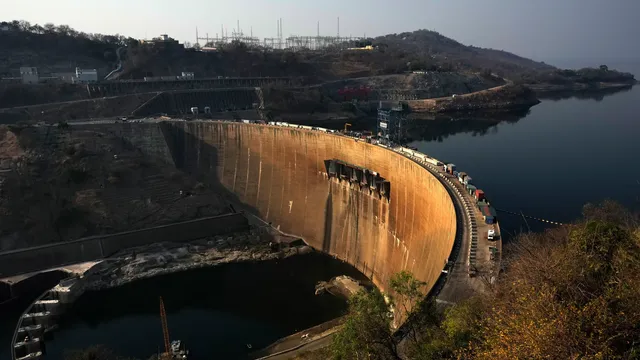
Lake Kariba, which straddles the border between Zimbabwe and Zambia, is the largest man-made lake in the world by volume. It was created in the late 1950s and early 1960s by constructing a dam wall to block the Zambezi River. The lake is crucial for transport, fishing, and hydroelectric power generation for both countries. The tragedy has sparked discussions about the safety regulations governing ferry operations in the region, as well as the need for better enforcement of capacity limits to prevent similar incidents in the future.
As rescue operations continue, the local community is mourning the loss of life and grappling with the aftermath of this tragic event. The government is under pressure to investigate the circumstances surrounding the ferry's capsizing and to ensure that such a disaster does not happen again. The incident serves as a stark reminder of the importance of adhering to safety protocols in maritime transport, especially in areas prone to rough weather conditions.

Comprehensive report
Full story,
in detail.
Trace the developments that led here, see how the story evolved, and understand the forces and wider context surrounding it.