
Topic overview
Briefly
- Bearcam views surged 70% year-over-year to 7.3 million between June 22 and August 4.
- Last year's high salmon run dispersed bears; this year's run concentrated them at Brooks Falls.
- Viewers identify individual bears and track feeding, with one bear eating 42 salmon in hours.
What happened
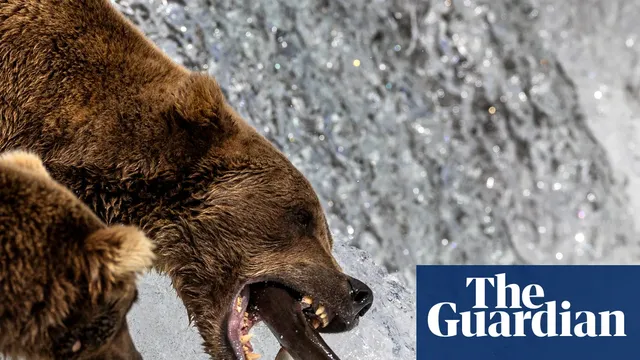
The Brooks Falls bearcam, operated by the wildlife network Explore.org at Katmai National Park in Alaska, has experienced a dramatic surge in viewership this summer. Between 22 June and 4 August 2026, the livestream was watched 7.3 million times, a 70% increase compared to the same period last year and more than double the views it attracted in 2024. The cameras, first installed in 2012, show brown bears congregating at the waterfall to catch sockeye salmon as they migrate upstream. This year, more than a dozen bears can often be seen prowling the rocky waters and feeding simultaneously, providing viewers with exceptional scenes of concentrated bear activity.
Candice Rusch, Explore.org's director of new media, attributes the surge to a change in salmon run patterns. Last year's exceptionally high salmon run meant fish were abundant throughout the river, so bears did not need to gather at the falls. This year, however, the salmon distribution has led to large congregations of bears at the falls, making for spectacular viewing. Rusch noted that it seems as if the whole world has discovered the bearcam at the same time, with many people keeping it on in the background while cooking dinner or working.
The bearcam was originally launched with the goal of bringing remote wildlife into people's homes, fostering a connection that would encourage conservation. Dr. Jeffrey Skibins, an associate professor at East Carolina University, points to recent studies showing that nature-based webcams benefit both wildlife and people by improving conservation attitudes, behaviours, and awareness. While not replacements for experiencing nature firsthand, these webcams serve as viable additions to traditional conservation education.
The stream has cultivated a dedicated fanbase, with viewers able to identify individual bears by features such as ears, noses, and body shape. Some fans keep detailed records of feeding habits; one reported watching a bear named Otis consume 42 salmon in several hours, which Rusch estimates could equate to over 100,000 calories. This gorging behaviour is significant as the bears prepare for winter hibernation, and it will culminate in the annual Fat Bear Week, a knockout-style competition where the public votes for the park's fattest bear. Rusch expressed her admiration for the bears and the park, stating that it deserves all the love it is receiving.

Comprehensive report
Full story,
in detail.
Trace the developments that led here, see how the story evolved, and understand the forces and wider context surrounding it.