
Topic overview
In brief
- Australia is experiencing a biodiversity crisis with many unique species at risk of extinction.
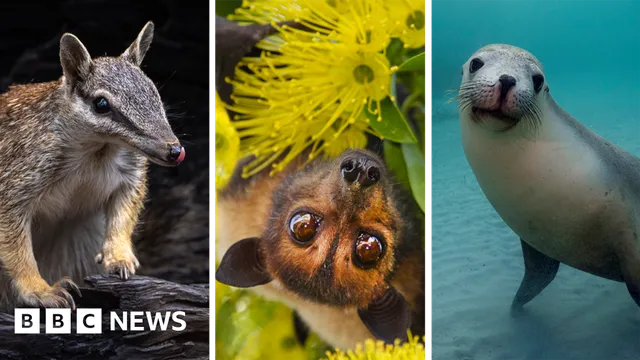
- The numbat, once critically endangered, has been reclassified as near-threatened due to conservation efforts.
- Continued work is essential to ensure the survival of the numbat and address the broader extinction emergency.
Summary
Australia is facing a significant biodiversity crisis, with many unique species at risk of extinction. Among these is the numbat, a rare marsupial that has recently been removed from the international endangered species list, now classified as near-threatened. This change is a result of dedicated conservation efforts that began in the 1980s when the numbat population was alarmingly low, with fewer than 50 individuals remaining. The work of scientists and conservationists has been crucial in this recovery, but the situation remains precarious.
Despite the positive news regarding the numbat, the broader context of biodiversity loss in Australia is concerning. Environment Minister Murray Watt has highlighted the alarming rate at which species are disappearing, emphasizing that the country is at the forefront of this global trend. The government has attempted to address these issues through revamped environmental laws, which were touted as the most significant reforms in a generation. However, there is skepticism about whether these measures will lead to meaningful change, as the specifics of the National Environmental Standards and the federal watchdog are still being developed.