
Topic overview
Briefly
- Wang was hired to trim grass at a harbourside mansion, leading to the unlawful felling of 287 trees.
- The Lane Cove council described the incident as the worst act of environmental vandalism in the area's history.
- Wang was fined nearly $200,000 and ordered to pay legal costs, marking a significant legal precedent for environmental protection.
What happened
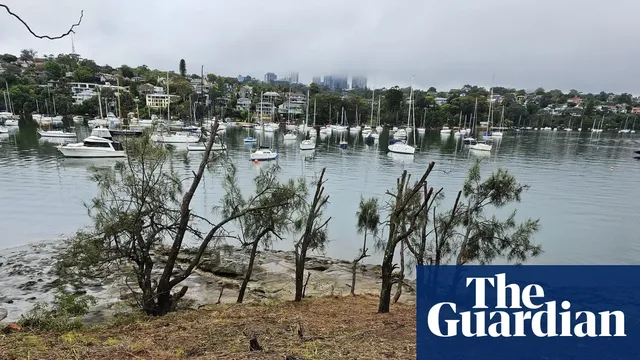
In Sydney, Australia, a gardener named Wang was involved in a significant environmental incident that led to the unlawful removal of 287 native trees. This act, which occurred over a span of twelve days, was described by the Lane Cove council as the worst act of environmental vandalism in the area's history. The trees were cleared to enhance the water views of a harbourside mansion, which was owned by Wu, who had hired Wang for the job. The clearing not only destroyed potential habitats for protected species, such as powerful owls and microbats, but also compromised the natural protection of an Aboriginal midden located nearby.
The incident came to light after a tip-off from a member of the public, prompting an investigation by the local council. It was discovered that no approvals, permits, or consents had been issued for the tree removal. The council engaged private investigators who gathered evidence, including recorded interviews, CCTV footage, and invoices that linked Wang and a chainsaw operator to the disposal of tree branches and vegetation. Expert reports commissioned by the council highlighted the ecological impact of the clearing, revealing that the native forest canopy had existed since at least 1943 and was part of an endangered ecological community.
During the court proceedings, Wang argued that his actions were negligent rather than reckless. However, the judge, Pepper, noted the severe consequences of the clearing, which could take 20 to 30 years to recover ecologically. The court also heard that the regrowth would be vulnerable to pathogens and weed invasion during this period. Wang was ultimately fined nearly $200,000 and ordered to pay the legal costs of the Lane Cove council. The council welcomed the judgment, viewing it as a victory for the preservation of native bushland.
Wang's conduct was characterized by a series of payments made in cash, often left in a shoe at a neighboring property for him to collect. This method of payment, along with regular updates sent via WeChat, indicated a level of premeditation in the unlawful activities. The mayor of Lane Cove, Scott Bennison, condemned the actions as outrageous and emphasized the need for strict prosecution to deter similar future incidents. The case serves as a stark reminder of the importance of environmental protection and the legal ramifications of disregarding such regulations.

Comprehensive report
Full story,
in detail.
Trace the developments that led here, see how the story evolved, and understand the forces and wider context surrounding it.