
Topic overview
In brief
- Joby Aviation is set to conduct real-world tests of air taxis in major U.S. cities this year.
- The Electric Vertical Takeoff and Landing program aims to expedite the testing and certification of these aircraft.
- Successful implementation of air taxis could revolutionize urban transportation, but safety and regulatory challenges remain.
Summary
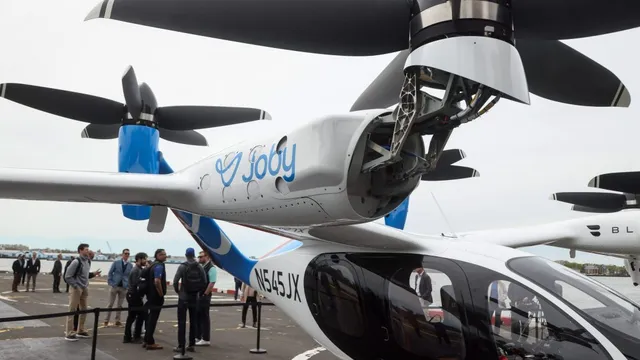
In the United States, a new era of air transportation is on the horizon as several companies, including Joby Aviation, prepare to conduct real-world tests of electric air taxis. This initiative is part of a federally sanctioned pilot program that began in the summer of 2023, allowing companies to carry cargo and eventually passengers. Joby Aviation, based in Santa Cruz, California, is set to test its aircraft in major metropolitan areas such as New York, New Jersey, Texas, and Florida. The aircraft can carry four passengers and a pilot, traveling up to 100 miles at altitudes around 1,000 feet, which is comparable to the height of the Chrysler Building.
The push for air taxis is fueled by advancements in technology, increased competition, and supportive regulatory developments. The Electric Vertical Takeoff and Landing and Advanced Air Mobility Integration Pilot Program, or EIPP, was established to expedite the testing and certification of these new aircraft. Companies like Archer and Beta Technologies are also involved in this initiative, with Archer focusing on urban areas like Los Angeles, where short trips could be significantly faster by air than by car. Beta Technologies has already completed initial flights in Maryland and Virginia, showcasing the potential of electric aircraft.