
Topic overview
Briefly
- Haitians in Ohio who lost their Temporary Protected Status are being fitted with ankle monitors instead of being detained.
- ICE is requiring these individuals to attend in-person check-ins where they receive the monitors.
- This approach reflects a shift in policy aimed at managing the large number of Haitians affected by the Supreme Court ruling.
What happened
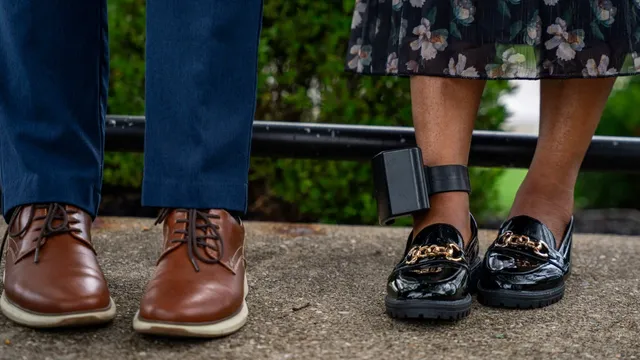
In the United States, particularly in Ohio, a significant number of Haitians who have lost their Temporary Protected Status (TPS) are now being fitted with ankle monitors instead of being placed in detention by Immigration and Customs Enforcement (ICE). This shift in policy comes after a Supreme Court decision in June that allowed the Trump administration to end TPS for over 300,000 Haitians who had sought refuge in the U.S. following the devastating earthquake in Haiti in 2010. The decision has left many individuals vulnerable to deportation, prompting ICE to implement a system of monitoring rather than detention due to a lack of available space in detention facilities.
Attorneys representing these individuals have reported that ICE is requiring Haitians to attend in-person check-ins, where they are fitted with ankle monitors that track their movements. These monitors restrict them to a 75-mile radius from their homes while they await a decision from an immigration judge regarding their status and any potential asylum claims. This approach has been seen as a response to concerns about mass detentions, which many advocates feared would occur following the Supreme Court ruling.
Katie Kersh, an immigration attorney from the Ohio-based law firm Advocates for Basic Legal Equality, expressed relief that the situation has not escalated into mass enforcement operations. Instead, her clients have been receiving letters from ICE mandating their attendance at check-ins, where they are monitored rather than detained long-term. The current policy reflects a broader trend under the Biden administration, which has sought to balance enforcement with humanitarian considerations, although tensions remain within the administration regarding immigration policy.
The implementation of ankle monitors allows these individuals to continue living in the U.S. while their cases are processed, a significant change from previous policies that favored detention. However, the ongoing debate about immigration enforcement and the treatment of vulnerable populations continues, especially as the number of Haitians affected by the loss of TPS remains high. The situation highlights the complexities of U.S. immigration policy and the challenges faced by those seeking refuge in the country.

Comprehensive report
Full story,
in detail.
Trace the developments that led here, see how the story evolved, and understand the forces and wider context surrounding it.