
Topic overview
Briefly
- North Korea launched a ballistic missile from the Wonsan area toward the sea on August 12, 2026.
- This launch is the second in less than a week, following a previous test on August 5, 2026.
- The missile tests are likely a response to upcoming US-South Korea military drills, indicating rising tensions in the region.
What happened
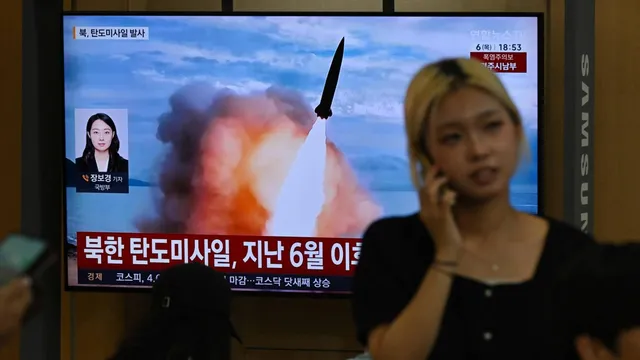
On August 12, 2026, North Korea conducted a ballistic missile launch from its eastern coastal area, specifically the Wonsan region, toward the sea. This event marked the second missile test in less than a week, following a previous launch on August 5, 2026. The missile reportedly flew approximately 690 kilometers and reached a maximum altitude of 90 kilometers before landing in waters outside Japan's exclusive economic zone. The launch coincided with the announcement of upcoming large-scale military drills by South Korea and the United States, which North Korea perceives as a direct threat and a rehearsal for invasion.
The Ulchi Freedom Shield military exercises are set to begin on August 17, 2026, and will involve around 18,000 South Korean soldiers. North Korea has a history of responding to such military drills with provocative actions, including missile tests and aggressive rhetoric. The South Korean military has heightened its surveillance and is closely coordinating with the United States and Japan in response to these developments. Japan's Defense Minister, Shinjiro Koizumi, condemned the missile launches as a threat to regional peace and security, emphasizing the need for diplomatic protests against North Korea's actions.
In the context of these military tensions, North Korea's missile tests are seen as a demonstration of its military capabilities and a warning against perceived threats from the U.S. and its allies. The North Korean government has previously stated that it will not remain passive in the face of what it views as Japan's militarization and the strengthening of U.S.-South Korea military ties. This ongoing cycle of military provocations and responses highlights the fragile security situation in the region, with both sides remaining on high alert.
As the situation develops, analysts are closely monitoring North Korea's military activities and the potential implications for regional stability. The international community, particularly the United States, South Korea, and Japan, continues to express concern over North Korea's missile program and its implications for global security. The upcoming military drills are expected to further escalate tensions, prompting North Korea to potentially conduct additional missile tests as a show of force.

Comprehensive report
Full story,
in detail.
Trace the developments that led here, see how the story evolved, and understand the forces and wider context surrounding it.