
Topic overview
Briefly
- A drought is expected to be declared in more parts of England as officials assess water shortages.
- Almost all of southern England is already in drought, with hosepipe bans affecting 23 million people.
- The ongoing dry weather could lead to food shortages and has raised concerns about water levels.
What happened
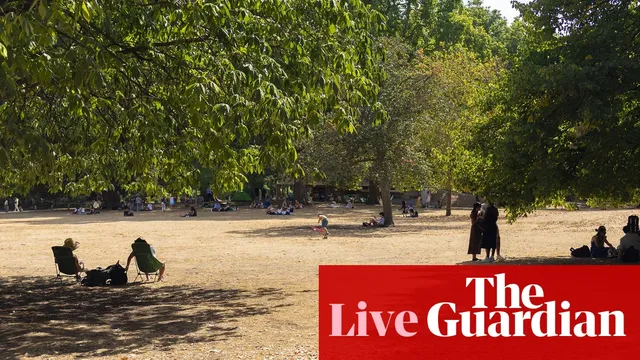
In England, a drought is anticipated to be declared in more regions as officials convene to evaluate the ongoing water shortages. This meeting, scheduled for Monday, August 10, 2026, will involve the National Drought Group, which comprises regulators, government officials, water companies, and agricultural representatives. Currently, nearly all of southern England is officially experiencing drought conditions following an exceptionally hot and dry summer, with heatwave conditions expected to return this week. The situation has already led to 23 million people facing hosepipe bans, and this number is likely to increase as the drought expands.
The areas already classified as being in drought include East Anglia, Hertfordshire, London, Thames Valley, Hampshire, the Isle of Wight, Devon, Cornwall, the West Midlands, and Wessex. Liz Bentley, the chief executive of the Royal Meteorological Society, has noted that the summer has been unprecedented, with the driest July recorded since 1836. Southern England experienced its driest month ever, and river levels have continued to decline, with less than 10mm of rain falling for the seventh consecutive week.
The Environment Agency has raised concerns about low water levels, which have led to potential navigation issues for boats on the Thames, Lark, and Ouse rivers. Reservoir levels are also alarmingly low, with almost all reservoirs across England below normal and five classified as exceptionally low. The National Farmers Union has warned that the ongoing dry weather could result in food shortages, as yields of wheat and oats are reported to be very poor this year. Livestock farmers are also struggling, having to use their winter feed rations due to the inability to grow grass.
Looking ahead, the forecast indicates that the week will remain mostly dry, with temperatures soaring across much of England and Wales. The peak temperatures are expected on Thursday, followed by a slight drop over the weekend. Unfortunately, there is no significant rainfall anticipated in the foreseeable future, which raises concerns about the long-term impacts of the drought on both the environment and food supply in England.

Comprehensive report
Full story,
in detail.
Trace the developments that led here, see how the story evolved, and understand the forces and wider context surrounding it.