
Topic overview
In brief
- Harvey Nichols reported pre-tax losses of £35.3 million in 2024.
- The store has struggled to maintain its identity and compete with other luxury retailers.
- Recent leadership changes aim to revitalize the brand and restore its former status.
Summary
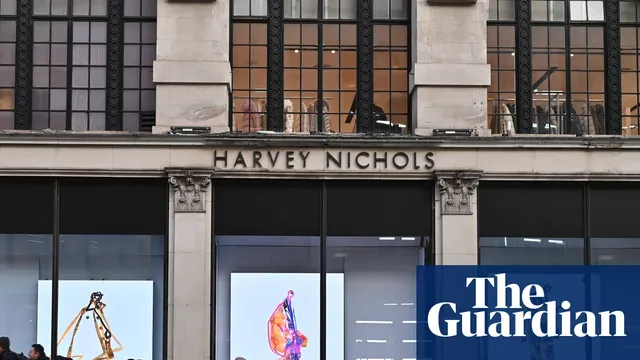
In the United Kingdom, Harvey Nichols, once a prominent name in the fashion retail industry, has faced significant challenges in recent years. The department store, which was a staple of luxury shopping in the 1990s, reported pre-tax losses of £35.3 million in 2024. This decline has been attributed to a loss of identity and competition from other retailers, such as Selfridges and Dover Street Market, which have become more appealing to emerging brands. The store's previous allure, characterized by its glamorous shopping experience and exclusive designer offerings, has diminished over time.
The ownership of Harvey Nichols has changed hands multiple times since its inception, with Debenhams acquiring it in 1920 and later becoming part of the Burton Group in 1985. In 1991, the retailer was purchased by Poon, who initiated its expansion beyond London, including a notable opening in Leeds in 1996. However, the brand's relevance has waned, as it now offers similar products to its competitors without a distinct point of difference. Retail experts have noted that the store's digital presence also requires improvement to attract a modern consumer base.