
Topic overview
In brief
- Google Earth launched the Nano Banana image-generation tool, which allowed users to create AI-generated images.
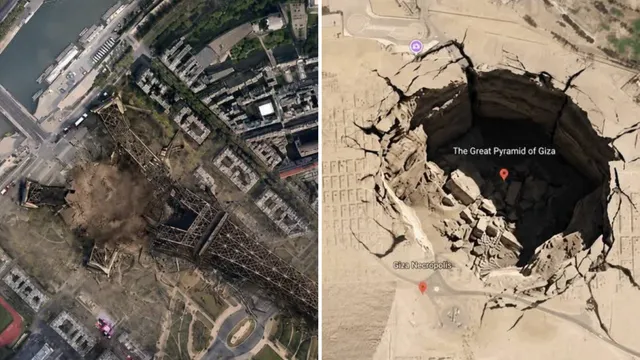
- The tool was quickly misused to create misleading images of disasters and military activity, raising concerns among experts.
- Google removed the tool within a day to maintain trust in its platform and to develop stronger safeguards against misinformation.
Summary
In early August 2026, Google Earth, a widely used mapping platform, faced significant backlash after the launch of its Nano Banana image-generation tool. This feature allowed users to create AI-generated images, which were quickly misused to fabricate scenes of disasters and military activity. Critics, including researchers and misinformation experts, expressed concerns that these misleading images could undermine the platform's credibility, as Google Earth is often relied upon for accurate satellite imagery. The rapid response from Google to remove the tool highlighted the company's commitment to maintaining trust in its services.
The controversy surrounding the Nano Banana tool stemmed from its potential to create realistic but false representations of events, which could easily be mistaken for authentic imagery. Experts warned that the introduction of such a feature could lead to a flood of misinformation, complicating the work of investigators who rely on satellite imagery to document war crimes and humanitarian crises. Raymond, a prominent critic, emphasized that the tool's presence in the Google Earth environment could lend undue credibility to fabricated scenes, making it harder for users to discern truth from fiction.