
Topic overview
In brief
- The FAA banned civilian supersonic flight over land in 1973 to prevent sonic booms.
- NASA is developing the X-59 aircraft to focus on low-boom design for quieter supersonic travel.
- Advancements in technology may allow for the reintroduction of supersonic flight over land.
Summary
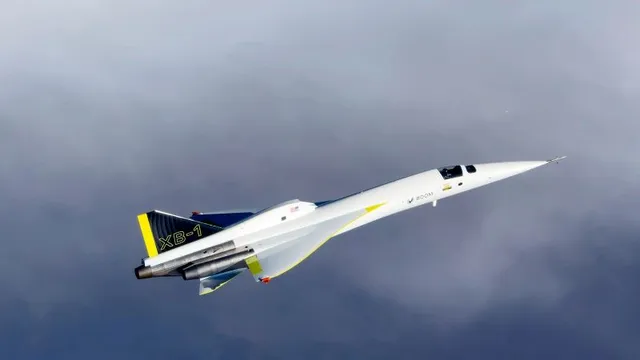
In the United States, the Federal Aviation Administration (FAA) effectively banned civilian supersonic flight over land in 1973 by prohibiting civil aircraft from exceeding Mach 1, primarily to prevent sonic booms. Recent advancements in technology have led experts to believe that it is now possible to fly supersonic aircraft without sonic booms reaching the surface through sonic boom abatement techniques. NASA is developing the X-59 aircraft, which focuses on low-boom design to mitigate the impact of sonic booms, differing from the Mach cutoff approach that relies on real-time calculations of speed and altitude. This new design strategy could pave the way for the reintroduction of supersonic flight over land, as it allows for the potential of quieter sonic booms. However, the FAA's new rules and the Mach cutoff method present opportunities for supersonic travel, albeit with increased fuel consumption. The Overture aircraft, being developed by Boom Supersonic, aims to carry 60 to 80 passengers at speeds of up to Mach 1.7 over water, significantly reducing flight times on popular routes. The future of supersonic travel may involve a combination of quiet sonic boom shaping technology and Mach cutoff, allowing for faster travel while minimizing noise pollution.