
Topic overview
Briefly
- A major wildfire occurred in the Cairngorms National Park on July 15, 2026, causing extensive damage to the ecosystem.
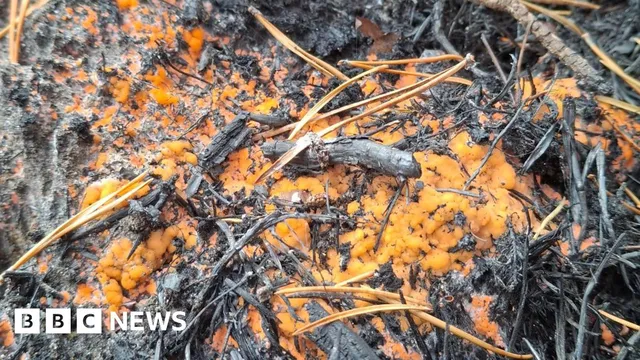
- Forestry and Land Scotland reported the emergence of pyrophilous fungi, which are crucial for ecological recovery in burned areas.
- The presence of these fungi indicates the beginning of nature's recovery, paving the way for future plant growth.
What happened
In July 2026, a significant wildfire broke out in the Cairngorms National Park, located in Scotland, burning through thousands of acres of woodland and moorland. The fire, which started on July 15, led to extensive damage to the local ecosystem, killing plant life, insects, and wildlife that could not escape the flames. The incident was severe enough to prompt the evacuation of residents and campsites, and at its peak, over 500 firefighters were involved in combating the blaze. Police Scotland classified the event as a major incident, highlighting the urgency and scale of the response required to manage the fire.
In the aftermath of the wildfire, Forestry and Land Scotland (FLS) reported the appearance of a bright orange fungus known as pyrophilous, which thrives in areas affected by fire. This fungus is among the first signs of ecological recovery in the burned areas, playing a crucial role in breaking down carbon and preventing soil erosion. Dave Clarke, a senior programme manager at FLS, explained that these fungi are essential for preparing the ground for future plant growth by creating nutrient-rich conditions. The presence of this fungus indicates that nature is beginning to heal, as it is one of the first colonizers of burned ground.
The pyrophilous fungi, which are characterized by their mushroom-like fruiting bodies, emerge from underground networks following fires or can spread from unaffected areas. This phenomenon is not new; the first scientific studies of such fungi were conducted by German naturalist Carl Gustav Carus in the 1830s. The emergence of these fungi is a positive sign, as they contribute to the gradual restoration of the ecosystem, paving the way for grasses and other plants to re-establish themselves in the affected areas.
Despite the devastation caused by the wildfire, the appearance of pyrophilous fungi and the early signs of grass re-emergence provide hope for the recovery of the Cairngorms National Park. The incident has also led to the establishment of a recovery fund aimed at supporting businesses impacted by the wildfire. As monitoring continues, drones equipped with heat-sensing technology are being utilized to detect any remaining hotspots in the peaty ground, ensuring that the area is safe and that recovery efforts can proceed effectively.

Comprehensive report
Full story,
in detail.
Trace the developments that led here, see how the story evolved, and understand the forces and wider context surrounding it.