
Topic overview
Briefly
- The Ebola outbreak in Congo has spread to six provinces, with over 2,100 deaths reported.
- Health workers are on strike due to unpaid wages, complicating containment efforts.
- The outbreak is spreading rapidly, raising concerns about its potential to become the deadliest in history.
What happened
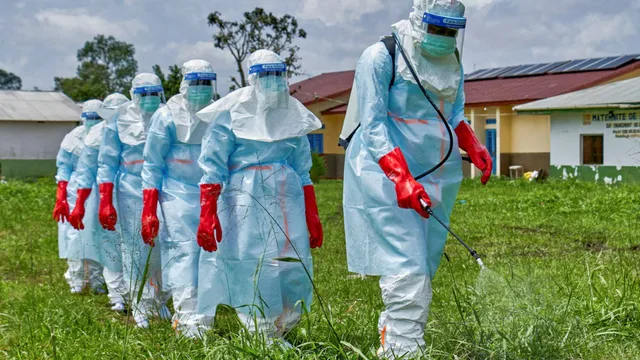
The ongoing Ebola outbreak in the Democratic Republic of Congo has escalated significantly, with the death toll surpassing 2,100 individuals out of more than 4,500 reported cases. This outbreak, which was declared on May 15, 2026, is particularly alarming as it is spreading at an unprecedented rate, with the World Health Organization indicating that it is on track to become the deadliest outbreak in history. The outbreak has now affected six out of the 26 provinces in Congo, including the previously unaffected Bas-Uele province, where the first death was recorded recently.
The situation is compounded by various challenges, including strikes by unpaid health workers, threats from rebel groups, and widespread misinformation within communities that deny the existence of Ebola. Health workers at the Nizi Treatment Center in Ituri province, one of the hardest-hit areas, went on strike due to not receiving payment for three months, leading to the temporary closure of the treatment center. This strike highlights the dire conditions under which health workers are operating, further complicating efforts to contain the outbreak.
The outbreak is primarily caused by the rare Bundibugyo virus, for which there are currently no approved vaccines or treatments. The World Health Organization has noted that the outbreak is unfolding in some of the most challenging conditions imaginable, with many new cases being reported outside of monitored contacts. This has raised concerns about the true scope of the outbreak, as health authorities believe that between 60% and 70% of new cases are occurring outside of the monitored population.
Clinical trials for two potential treatments for this type of Ebola began last month in Ituri province, where the outbreak is most severe. However, the rapid spread of the virus has left health officials struggling to keep up, with the WHO regional director for Africa, Dr. Mohamed Yakub Janabi, stating, "We are chasing the virus; the virus is ahead of us." The combination of health worker strikes, community resistance, and the lack of effective treatments poses a significant threat to controlling the outbreak and preventing further loss of life.

Comprehensive report
Full story,
in detail.
Trace the developments that led here, see how the story evolved, and understand the forces and wider context surrounding it.