
Topic overview
Briefly
- UK refused resettlement for Afghan police worker despite documented service
- Taliban threatened him after MoD leak exposed his identity
- He lives in hiding, relying on wife's income, awaiting fair review
What happened
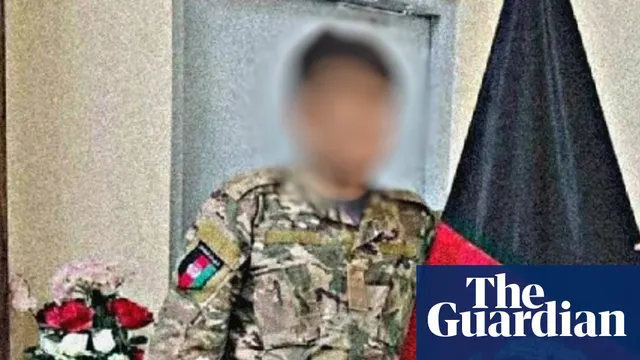
Hamid, a former member of the Afghan national police special unit, has been living in hiding in Afghanistan since the Taliban takeover in August 2021. He worked alongside British forces and received certificates signed by senior British figures praising his dedication and service. In 2022, his personal details were accidentally leaked by a Ministry of Defence official, along with those of 18,700 other Afghans who had worked with or for the British government. Following the leak, Hamid began receiving threats from the Taliban, including a video in which a man holding a rifle and sitting under a Taliban flag threatens to pursue him, citing knowledge of his previous movements.
Despite his documented service, the UK's Ministry of Defence rejected his application for resettlement under the Afghan relocations and assistance policy (Arap). His most recent rejection, dated 31 July 2026, stated that he had not provided evidence of working alongside, in partnership with, or closely supporting a UK government department. Hamid insists he has submitted every available document proving his service, and he believes his case raises serious questions about how former Afghan partners of the UK are treated. He lives in constant fear of being recognized or targeted, and he has no reliable income, relying on his wife who does small jobs from home.
The Arap scheme was established to resettle Afghans who worked for or with the UK government, but it requires applicants to meet specific eligibility criteria. High risk of death or serious injury is only considered if the other criteria are met, which they were not in Hamid's case. After the leak, the then defence secretary, John Healey, stated that the dataset included people who had made speculative applications and had not worked with British forces, and that being included in the leak did not give them a right to claim asylum or eligibility for the special scheme.
Hamid's case highlights the ongoing challenges faced by many Afghans who supported international forces but have been denied resettlement. The UK government says each application is considered on a case-by-case basis, and since the Taliban takeover, the UK has resettled almost 39,000 Afghan men, women, and children through various schemes. However, Hamid's experience suggests that some individuals with documented service are still being rejected, leaving them in danger. He is not asking for special treatment, only a fair review based on the evidence he has already provided.

Comprehensive report
Full story,
in detail.
Trace the developments that led here, see how the story evolved, and understand the forces and wider context surrounding it.