
Topic overview
Briefly
- Meta CEO published a 6,500 word essay promising AI personal agents for everyone
- Critics say Zuckerberg's history of unfulfilled grand visions undermines his AI promises
- Public reaction mirrors backlash to Sam Altman's suggestion to use AI instead of talking to children
What happened
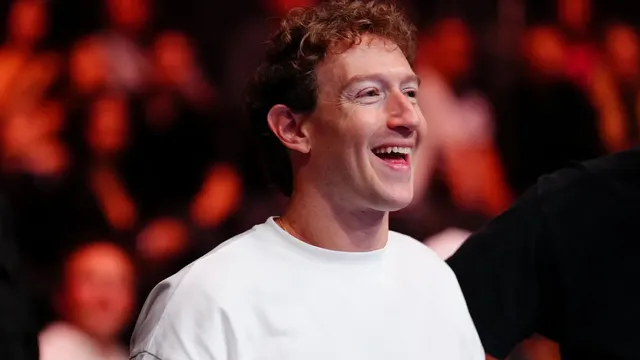
Meta CEO Mark Zuckerberg published a 6,500 word essay this week titled "The Future is for Everyone," presenting an optimistic vision of a future powered by artificial intelligence. In the manifesto, Zuckerberg promised that "everyone will have an exceptionally capable personal agent that understands you, your goals, and everything you care about." The essay sparked discussion on TechCrunch's Equity podcast, where hosts Kirsten Korosec, Rebecca Bellan, and Anthony Ha analyzed why the vision is not being universally embraced.
Rebecca Bellan characterized Zuckerberg as positioning himself as "almost like an anti-Dario," referring to Anthropic CEO Dario Amodei, who recently spent time pushing back against the perception that he is an AI doomer. The fundamental problem identified by the podcast hosts lies in Zuckerberg and Meta's track record. Bellan noted that Zuckerberg has a history of publishing grand visions about how his companies will empower people, but the reality has often fallen short of these promises. While Meta has made significant investments in AI, including reportedly offering substantial compensation to AI scientists, the company does not typically come up in conversations about leading frontier AI labs. Similarly, Meta AI tools integrated into Instagram and Facebook have not established the company as a go-to personal assistant platform.
TechCrunch colleague Russell Brandom contributed a critical perspective, writing that Zuckerberg's manifesto is "exactly why people don't like AI." The hosts discussed how the messenger matters significantly in public reception of AI promises. Bellan suggested that the letter leaves "a bad taste in a lot of people's mouths because it's him who's saying it." The vision was described as feeling "very Pollyannish" and failing to provide a realistic picture, instead casting AI as an unqualified great tool for humanity. This stands in contrast to other industry voices calling for slower AI development, particularly following recent cybersecurity incidents. Zuckerberg explicitly rejected the slowdown approach, directly challenging AI doomers by asking why they would build the technology if they believe it will lead to negative outcomes.
Anthony Ha identified a broader issue with how AI companies present their future visions, noting the pattern of "viral pile-ons" whenever figures like Sam Altman or Mark Zuckerberg make predictions about AI's future. The public reaction often amounts to asking "Who wants this?" Ha referenced a previous incident where Altman suggested using ChatGPT to create podcasts about children's interests for car rides, prompting widespread criticism about replacing human interaction with AI. The hosts noted that while half of Zuckerberg's manifesto contained abstract promises about unleashing creativity and invention, the more concrete proposals about personal coaches and assistants had limited appeal. The discussion highlighted a growing disconnect between the AI industry's utopian promises and public skepticism about whether these technologies address genuine human needs.

Comprehensive report
Full story,
in detail.
Trace the developments that led here, see how the story evolved, and understand the forces and wider context surrounding it.