
Topic overview
In brief
- Extreme heat warnings are in effect for millions across the Southwest, including Arizona, California, Nevada, and Utah.
- Temperatures are expected to reach between 100°F and 120°F in various regions, raising concerns about heat-related illnesses.
- Residents are urged to take precautions to stay safe during this dangerous heat wave.
Summary
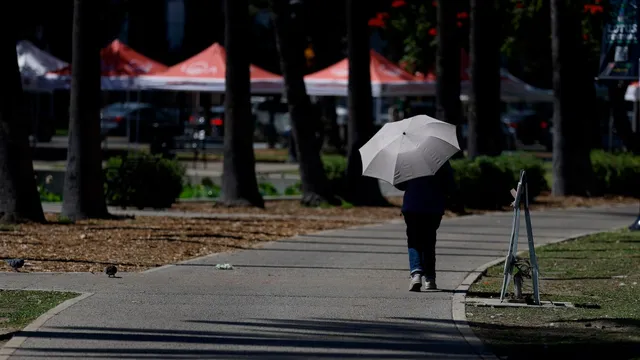
In the United States, millions of residents across the Southwest are facing extreme heat warnings this week, with dangerously high temperatures expected to reach nearly 120°F. This situation is particularly severe in states like Arizona, California, Nevada, and Utah, where the risk of heat-related illnesses and fatalities is significantly heightened. The National Weather Service has issued warnings for various regions, including the Phoenix metropolitan area, which is forecasted to experience afternoon temperatures between 109°F and 116°F. Other areas, such as northern Gila and Yavapai counties, are also expected to see temperatures ranging from 107°F to 113°F, while the Grand Canyon's lower elevations could reach between 110°F and 114°F. The warnings extend to parts of Los Angeles County's Antelope Valley, where temperatures are predicted to hit between 100°F and 110°F. The Mojave Desert and surrounding communities are bracing for highs of up to 112°F. Forecasters have indicated that the combination of extreme daytime heat and unusually warm nights will limit the body's ability to cool down, increasing the risk of heat exhaustion and heat stroke, especially among vulnerable populations such as the elderly and young children. Residents are advised to stay hydrated, seek air-conditioned environments, and check on those who may be at risk. The extreme heat is expected to persist, with warnings remaining in effect through Tuesday or Wednesday, and potentially beyond in some areas. This ongoing heat wave highlights the dangers of extreme weather, which is the deadliest weather-related hazard in the United States, claiming more lives annually than hurricanes, tornadoes, or floods.