
Topic overview
In brief
- NASA is planning to establish a permanent lunar base within 20 years as part of its broader space exploration strategy.
- The Artemis III mission, set for 2027, will initiate the construction of this base by deploying robotic landers and rovers.
- The success of these missions aims to foster a sustainable space economy and inspire future generations.
Summary
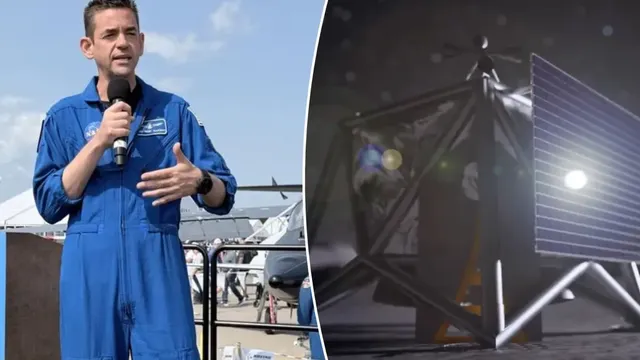
In the United States, NASA is embarking on an ambitious plan to establish a permanent lunar base within the next two decades. This initiative is part of a broader strategy led by NASA Administrator Jared Isaacman, who is focused on developing nuclear-powered spacecraft and fostering a sustainable space economy. The excitement surrounding NASA has surged following the successful Artemis II mission earlier this year, which marked the first return to the moon in over fifty years. The upcoming Artemis III mission, scheduled for 2027, will deploy commercial lunar landing systems and initiate the construction of the lunar base by sending robotic landers and rovers to the moon's south pole on a near-monthly basis. This lunar base is envisioned as a proving ground for extracting water ice, which can be converted into essential resources like oxygen and hydrogen, crucial for future space missions. The establishment of a space economy is seen as vital for funding these ambitious projects, as NASA seeks to create more value in space than the costs incurred. Isaacman emphasizes the importance of private sector involvement in building a sustainable presence beyond Earth, as well as the potential for industries that can thrive in microgravity environments. While the future of space exploration is filled with promise, Isaacman remains realistic about the challenges ahead, likening the experience to an Antarctic expedition rather than a glamorous vacation. He expresses hope that the growing interest in space will inspire future generations, as evidenced by the number of children dressing up as astronauts for Halloween.