
Topic overview
Briefly
- Ben-Gvir called for killing 30 to 40 people nightly in Gaza, criticizing reduced strikes.
- He also advocated mass emigration of Palestinians and resettlement of Gaza by Israel.
- His remarks surfaced days before Israeli elections, with domestic media giving scarce coverage.
What happened
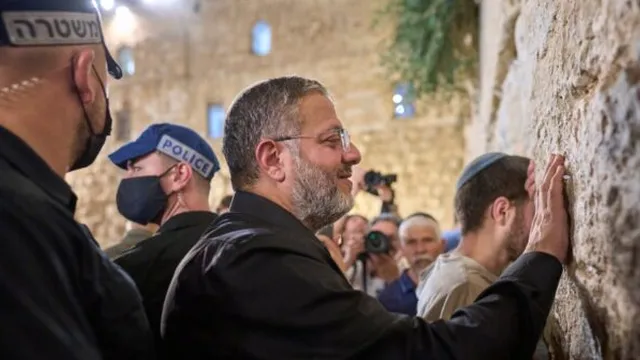
Itamar Ben-Gvir, Israel's Minister of National Security, publicly advocated for killing 30 to 40 people in Gaza each night during a podcast interview with former hostage Rom Braslavski. The comments, which surfaced on Sunday, were quickly shared by Palestinian media. Ben-Gvir criticized the recent drawdown of Israeli strikes in Gaza, saying, "It's no secret, I disagree with the prime minister. I think targeted assassinations should be carried out in Gaza, taking down 30 to 40 every night. They shouldn't live. They're not even people." This statement is part of a broader pattern of inflammatory rhetoric from Ben-Gvir, who has previously boasted of reducing food rations for Palestinian prisoners and has advocated for the mass emigration of Palestinians from Gaza, a proposal that international lawyers say could amount to ethnic cleansing. Ben-Gvir's remarks come amid a fragile truce deal that took effect in October, which has seen over 1,250 deaths in Gaza since then, according to Gaza's Health Ministry. Israeli media reported that the authority for carrying out strikes has been limited to the army's chief of staff, a move that has angered right-wing lawmakers like Ben-Gvir. The domestic media has made scarce mention of Ben-Gvir's statement, highlighting how once-fringe ideologies are surging in the leadup to Israeli elections on October 27. Ben-Gvir, who oversees Israel's police force and prisons, does not have power over the military and cannot order strikes on Gaza, but he is now one of the most influential people in the country. His comments have been widely condemned in the past and have been presented to the UN's world court as evidence of genocidal intent. The context of the interview was a discussion about Israel's recovery from the Hamas attack of October 7, 2023, when militants killed about 1,200 people and took 251 hostages. Many hostages have recounted long-term starvation, physical and psychological abuse, and in some cases sexual abuse. Ben-Gvir's advocacy for killing and expulsion is part of a broader debate within Israel about how to handle Gaza, with the current government and most of its political class rejecting the creation of a Palestinian state. The latest proposal from former President Trump involves Hamas gradually giving up its weapons while Israeli forces halt attacks and begin withdrawing from Gaza. Hamas accepted the deal but linked the surrender of its heaviest weapons to the creation of a Palestinian state, something Israel's current government adamantly rejects. Ben-Gvir's comments have sparked outrage among Palestinians and human rights groups, but they also reflect a growing acceptance of extreme views within Israeli politics. The international community has repeatedly called for restraint and adherence to international law, but such calls have had little effect on the ground. The situation remains volatile, with the potential for further escalation if the truce collapses. Ben-Gvir's influence and the support he enjoys among some Israelis suggest that such rhetoric may continue to shape policy and public discourse in the leadup to the elections. The international community, including the United Nations, has expressed concern over the humanitarian situation in Gaza, where the population faces severe shortages of food, water, and medical supplies. The ongoing conflict has also strained relations between Israel and its allies, with some calling for a more balanced approach. However, the Israeli government, led by Prime Minister Benjamin Netanyahu, has maintained its position, and figures like Ben-Gvir have become more popular since the 2023 attack. The podcast interview with Braslavski, a former hostage, provided a platform for Ben-Gvir to express his views, which have been criticized as dehumanizing and genocidal. The lack of coverage in Israeli media is notable, as it suggests a normalization of such rhetoric. The international community has condemned Ben-Gvir's statements, but the Israeli government has not publicly distanced itself from them. The situation in Gaza remains dire, with the truce holding but fragile. The upcoming elections could further entrench hardline policies, as Ben-Gvir and his allies gain more influence. The international community continues to call for a two-state solution, but the current political climate in Israel makes that seem increasingly unlikely. Ben-Gvir's comments are a stark reminder of the deep divisions and the challenges facing any peace process. The world watches as Israel and Gaza remain locked in a cycle of violence, with no end in sight.

Comprehensive report
Full story,
in detail.
Trace the developments that led here, see how the story evolved, and understand the forces and wider context surrounding it.