
Topic overview
Briefly
- The University of Colorado has implemented strict reporting restrictions for open football practices.
- Reporters were informed that nothing observed at practice could be reported or shared in any form.
- These measures have raised concerns about transparency and the media's ability to cover the team.
What happened
In the United States, the University of Colorado has implemented stringent restrictions on media reporting during open practices for its football team, the Buffaloes. This decision was communicated to reporters via an email that outlined the limitations placed on what could be reported or shared from these practices. The email explicitly stated that nothing observed at practice could be reported, published, posted, broadcast, or shared in any form, on any platform, at any time. This directive has raised concerns among journalists about the transparency of the team's operations and the potential consequences for those who might inadvertently violate these guidelines.
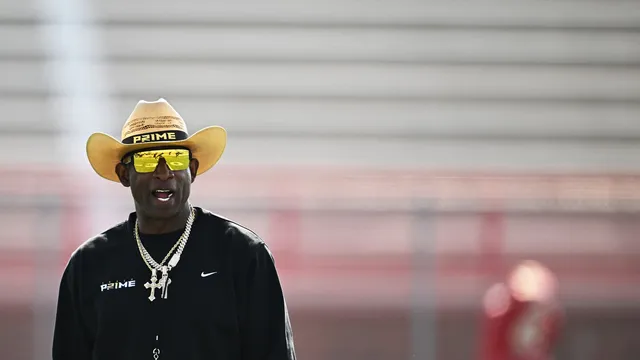
The restrictions are particularly notable as they come during Deion Sanders's fourth season as head coach of the Buffaloes. Sanders, a high-profile figure in college football, has attracted significant media attention, and the decision to limit reporting could be seen as an attempt to control the narrative surrounding the team. Reporters attending the practices were required to surrender their phones, further emphasizing the strict nature of the guidelines. The email warned that violations could lead to removal from the facility, revocation of credentials, and restrictions on future access for both individuals and their respective media outlets.
While many college football practices are closed to the public and media, the open practices at Colorado provided a rare opportunity for reporters to observe the team in action. However, the new restrictions have created a challenging environment for journalists who rely on access to provide coverage and insights into the team's preparations and performance. The potential for misinterpretation of the guidelines adds an additional layer of complexity, as reporters may face consequences for mistakenly believing they could report on certain aspects of the practice.
The implications of these restrictions extend beyond just the immediate reporting environment. They raise questions about the balance between a team's desire for privacy and the media's role in providing coverage and accountability. As the season progresses, it will be interesting to see how these restrictions impact the coverage of the Buffaloes and whether they lead to broader discussions about media access in college sports.

Comprehensive report
Full story,
in detail.
Trace the developments that led here, see how the story evolved, and understand the forces and wider context surrounding it.