
Topic overview
Briefly
- A 7.4 magnitude earthquake struck western Colombia on August 10, causing significant destruction.
- The death toll has risen to at least 164, with many others injured and thousands of buildings damaged.
- Rescue efforts are ongoing as the government declares a national state of emergency to assist affected communities.
What happened
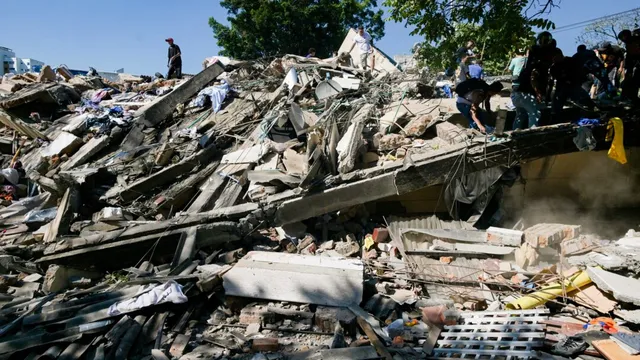
On August 10, 2026, a powerful 7.4 magnitude earthquake struck western Colombia, causing widespread destruction and loss of life. The quake, which occurred at a depth of approximately 68 miles near San José del Palmar in the Chocó region, resulted in at least 164 fatalities and left many others injured. The earthquake was the most powerful to hit the country in decades, with its effects felt in neighboring countries such as Ecuador and Panama. Emergency services were quickly mobilized to respond to the disaster, with rescue efforts continuing into the following days as workers searched through the rubble of collapsed buildings.
In the aftermath of the earthquake, the newly inaugurated president declared a national state of emergency, emphasizing the government's commitment to protecting lives and assisting affected communities. The earthquake caused significant damage, with reports indicating that around 1,600 buildings were affected, including at least 61 that completely collapsed. Major cities like Cali and Pereira experienced severe destruction, with entire blocks reduced to rubble and many residents forced into the streets. The situation was particularly dire in Cali, where at least 85 people were confirmed dead, and hospitals faced challenges as some of their upper floors collapsed.
Rescue teams, comprising police, soldiers, and volunteers, worked tirelessly to locate survivors trapped beneath the debris. In Pereira, the capital of the hard-hit state of Risaralda, authorities reported 66 deaths, and the city's airport experienced significant structural damage during the quake. Eyewitness accounts described the chaos as the airport's ceiling partially collapsed while people sheltered inside. The urgency of the rescue operations was underscored by the desperate pleas of volunteers who sought additional help to free those trapped.
As the rescue efforts progressed, the Colombian government and various organizations coordinated their response to provide aid and support to the affected regions. The national government expressed its determination to ensure that all necessary resources were deployed to assist those in need. The earthquake's impact on Colombia's infrastructure and communities will likely have long-lasting effects, prompting discussions about preparedness and response strategies for future seismic events. The tragedy has united the nation in grief and resilience as they work together to recover from this devastating disaster.

Comprehensive report
Full story,
in detail.
Trace the developments that led here, see how the story evolved, and understand the forces and wider context surrounding it.