
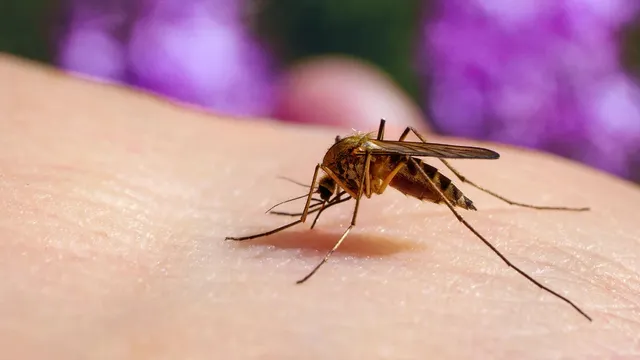
Topic overview
In brief
- The North Shore Mosquito Abatement District detected West Nile virus in mosquitoes collected on August 3, 2026.
- Other suburbs in the area have also reported positive tests for the virus.
- Public health officials stress the importance of preventive measures to avoid mosquito bites.
Summary
In Riverwoods, Illinois, the North Shore Mosquito Abatement District reported the first positive tests for West Nile virus in mosquitoes this year. The detection occurred on August 3, 2026, marking a significant moment for the local community as it raises concerns about public health and safety. Other suburbs in the area, including Glenview, Wilmette, Roselle, Glendale Heights, and Wheaton, have also reported similar findings, indicating a broader issue with mosquito-borne diseases in the region. The peak infection period for West Nile virus typically occurs from late August to early September, which heightens the urgency for preventive measures.
West Nile virus is a serious concern, as it can lead to severe health complications, although many infected individuals remain asymptomatic. According to the Centers for Disease Control and Prevention (CDC), approximately 2,000 people in the United States are diagnosed with the virus each year, with a significant number of cases going unreported due to the lack of symptoms. When symptoms do appear, they usually manifest 2 to 6 days after a mosquito bite, often resembling flu-like conditions such as fever, headache, body aches, and joint pains. The CDC estimates that about 20% of infected individuals will experience these symptoms, which can lead to more severe neurological conditions in rare cases.