
Topic overview
In brief
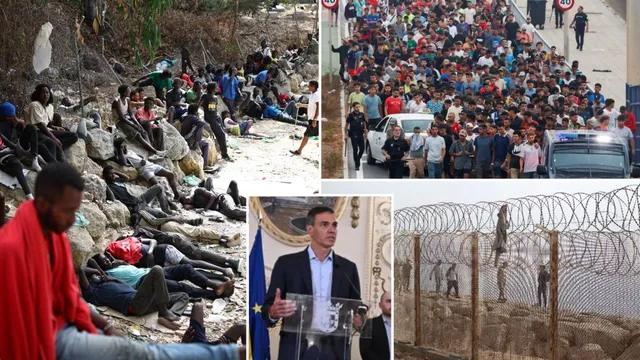
- Approximately 50,000 to 60,000 migrants surged into Ceuta from Morocco, prompting a response from European leaders.
- Pedro Sánchez criticized Giorgia Meloni for reinstating border controls and called for an emergency EU meeting.
- The incident has sparked renewed discussions on migration policies and border security within the EU.
Summary
Spain has recently faced a significant influx of migrants from Morocco, with approximately 50,000 to 60,000 individuals crossing into the Spanish enclave of Ceuta. This surge prompted Spanish Prime Minister Pedro Sánchez to express his discontent with the response of other European leaders, particularly Italian Prime Minister Giorgia Meloni, who reinstated border controls and temporarily suspended Schengen Area free-travel arrangements with Spain. Sánchez emphasized that Spain had effectively expelled nearly all of the migrants back to Morocco, highlighting the country's efforts to manage the situation. He criticized the disproportionate reactions from other European governments, which he believed were driven by prejudice and misinformation.
In a letter addressed to key European leaders, including European Commission President Ursula von der Leyen, Sánchez called for an emergency meeting of the interior ministers of all 27 EU countries to discuss the crisis. He argued that the response to the migrant surge should be a collective European responsibility rather than a unilateral action by individual nations. Sánchez pointed out that Ceuta is not part of the Schengen Area and that Spain has one of the least porous external borders in the EU, with irregular entries significantly lower than those recorded in Italy in recent years.