
Topic overview
Briefly
- Colombia's new president plans to declare an economic emergency to enhance disaster response.
- The earthquake has resulted in significant casualties and injuries, with many still missing.
- International aid is being mobilized to support recovery efforts in the affected regions.
What happened
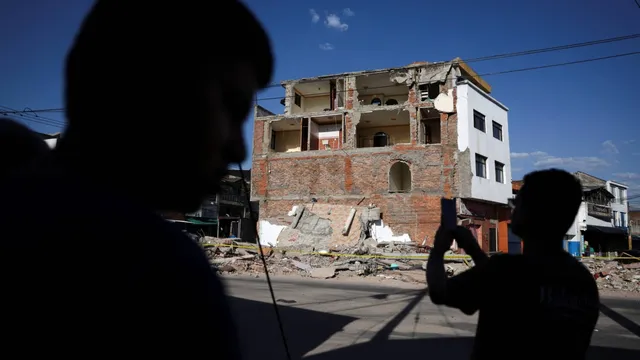
Colombia has been grappling with the aftermath of a devastating earthquake that struck the country, causing significant loss of life and injuries. The 7.4-magnitude quake hit on a Monday, primarily affecting the Pacific region and the central Andes. As of Tuesday, Colombian authorities reported that at least 181 people had died, with 2,595 others injured. The search for survivors has become increasingly urgent, with at least 195 individuals still unaccounted for, although some civilian databases suggest that the number of missing could be as high as 4,000. Rescue teams have been working tirelessly in the hardest-hit cities, including Cali, Pereira, Manizales, and Quibdo, as they race against time to locate any remaining survivors. The first 48 to 72 hours following such disasters are critical for rescue efforts, and while some successes have been reported, the situation remains dire. The earthquake has compounded existing humanitarian challenges in Colombia, where deep poverty and civil conflict have already strained resources and aid efforts. President Abelardo de la Espriella, who recently took office, is facing a significant test of leadership as he navigates the crisis. His government plans to declare an economic emergency, which would grant him temporary authority to issue economic and tax decrees without congressional approval. This measure aims to enhance the government's response capabilities in the wake of the disaster. Aid from international partners has begun to flow into the country, with the United States offering over $15 million in assistance and other nations, such as Mexico and El Salvador, pledging to send supplies and personnel to aid in the recovery efforts. The ongoing humanitarian response is crucial, as many affected communities are already vulnerable due to the long-standing issues of poverty and displacement caused by civil unrest. The presence of aid organizations in the region, bolstered by a 2016 peace accord, has facilitated quicker distribution of emergency materials, which is vital in the wake of this natural disaster.

Comprehensive report
Full story,
in detail.
Trace the developments that led here, see how the story evolved, and understand the forces and wider context surrounding it.