
Topic overview
Briefly
- Luke Bronin won the Democratic primary in Connecticut against John Larson, who had served for 14 terms.
- The primary highlighted a generational divide within the Democratic Party, with Bronin advocating for new leadership.
- Bronin's victory reflects a broader trend of voters seeking younger candidates to lead the party.
What happened
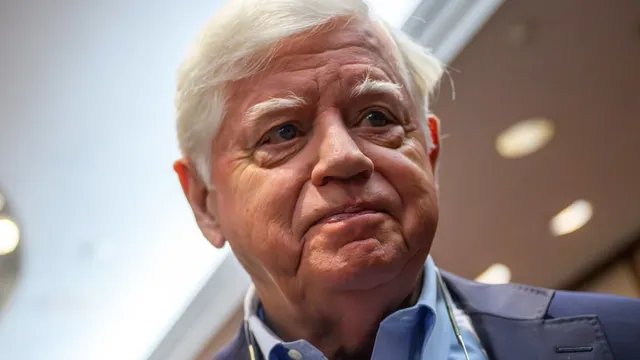
In Connecticut, on August 11, 2026, Luke Bronin, the former mayor of Hartford, won the Democratic primary against incumbent Representative John Larson. Larson, who had served in Congress since the late 1990s, faced significant challenges from Bronin, who campaigned on a platform advocating for generational change. The primary was characterized by a stark age difference, with Larson being 78 years old and Bronin 47. This election was part of a broader trend within the Democratic Party, where voters are increasingly favoring younger candidates over long-serving incumbents.
Bronin's campaign gained momentum as he raised more funds than Larson and secured the endorsement of the Connecticut Democratic Party. His message resonated with voters who were looking for new energy and ideas in the face of ongoing political challenges, particularly those posed by the Trump administration. Larson, despite his long tenure and experience, struggled to connect with the electorate's desire for change, which was evident in the primary results.
The election results showed Bronin receiving approximately 54% of the vote compared to Larson's 32%. This outcome not only marked a significant shift in Connecticut's political landscape but also highlighted a growing divide within the Democratic Party regarding leadership and direction. As the party grapples with its identity and future, Bronin's victory signals a potential shift towards younger leadership that could reshape the party's approach to governance and policy.
Following the primary, Bronin expressed his commitment to bringing a new perspective to Washington, emphasizing the need for the Democratic Party to adapt and evolve. Larson, on the other hand, acknowledged the voters' decision and expressed disappointment but also a willingness to support the party moving forward. This primary election is part of a larger narrative of incumbents facing challenges from younger candidates across the country, reflecting a desire for change among Democratic voters.

Comprehensive report
Full story,
in detail.
Trace the developments that led here, see how the story evolved, and understand the forces and wider context surrounding it.