
Topic overview
Briefly
- In late July 2023, Itamar Ben-Gvir led over 2,000 Jewish extremists to storm the al-Aqsa mosque compound.
- This event has raised concerns among Arab nations about the potential for an Israeli takeover of the site.
- The ongoing tensions at al-Aqsa highlight the fragile status quo and the risk of escalating violence.
What happened
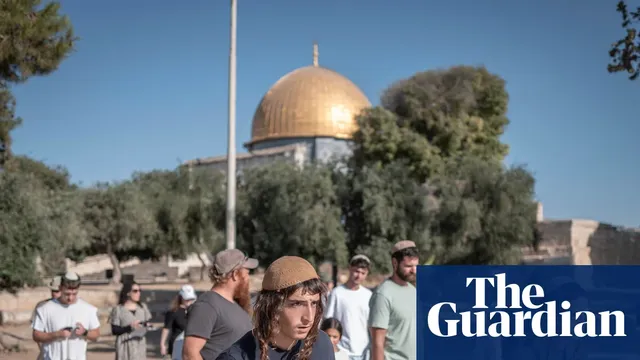
In late July 2023, Itamar Ben-Gvir, the far-right minister of security in Benjamin Netanyahu's government, participated in a significant incursion at the al-Aqsa mosque compound in Jerusalem. This event involved over 2,000 Jewish extremists, marking a continuation of a trend where far-right groups have repeatedly targeted this sensitive holy site. The al-Aqsa mosque compound, known to Muslims as al-Haram al-Sharif, is one of the most contentious locations globally, with deep religious significance for both Muslims and Jews. The actions of Ben-Gvir and the extremists have raised alarms among Arab nations, with Jordanian officials warning of an imminent risk of Israeli takeover of the site.
Since the beginning of 2023, there has been a notable increase in visits by Jewish religious extremists to the 35-acre compound, which houses both the al-Aqsa mosque and the Dome of the Rock. Initially, these visits involved small groups of settlers praying discreetly under police escort. However, the situation has escalated, with fears that the extremists may attempt to demolish the Dome of the Rock or the mosque to rebuild a Jewish temple on the site. This has led to heightened tensions and fears of violent conflict, prompting urgent calls for intervention from various sectors within Israel.
The ongoing violence against Palestinians in the occupied West Bank has further complicated the situation, with many arguing that the Israeli government's actions have isolated the country internationally and jeopardized its security. The rise of the third temple movement coincides with these tensions, as extremist groups push for changes to the status quo at al-Aqsa. In response to these provocations, eight Arab nations issued a joint statement condemning the mass incursions by settlers led by extremist Israeli ministers.
The situation at al-Aqsa remains precarious, with the potential for further escalation as both sides navigate the complex dynamics of religious significance, national identity, and political power. The actions taken by the Israeli government and extremist groups have not only inflamed tensions in Jerusalem but have also drawn international scrutiny and condemnation, highlighting the urgent need for dialogue and resolution in this deeply divided region.

Comprehensive report
Full story,
in detail.
Trace the developments that led here, see how the story evolved, and understand the forces and wider context surrounding it.