
Topic overview
Briefly
- Scientists in the UK are developing miniature human organs from NHS patients' cells to improve drug testing.
- This initiative aims to reduce the reliance on animal testing and enhance the accuracy of medical research.
- The project is expected to significantly impact drug development and patient treatment strategies.
What happened
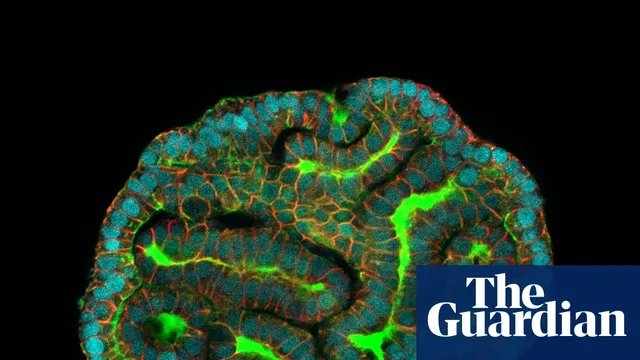
In the United Kingdom, a significant initiative has been launched to grow miniature human organs and tissues from the cells of NHS patients. This project aims to enhance the accuracy of medicine testing and reduce reliance on animal testing in drug development. Funded with £20 million from the Medical Research Council, the research will be conducted at a hub in Cambridge, where scientists will collaborate to create a library of standardized organoids. These organoids will help researchers understand how diseases differ among patients and identify the most effective treatments based on individual pathologies.
The shift towards using human-derived organoids marks a departure from traditional animal models, which have been criticized for their reliability. Historically, over 90% of drugs that pass animal testing fail in human trials, raising concerns about the efficacy of such testing methods. The new approach is expected to provide more accurate and reliable results, as organoids can mimic key features of full-scale organs and respond to drugs similarly to actual human tissues. This change is part of a broader strategy by the UK government to reduce animal testing through the adoption of new methodologies.
Researchers have been developing organoids for over a decade, and these tiny clumps of tissue can replicate essential functions of organs, including how they react to diseases and treatments. The Cambridge project will focus initially on organoids related to inflammatory bowel diseases, such as ulcerative colitis and Crohn's disease. The initiative is also supported by an additional £2 million from Innovate UK, aimed at reducing the number of animals used in safety tests, which traditionally involve numerous animals like guinea pigs and dogs.
The implications of this research are profound, as it not only seeks to minimize animal testing but also aims to improve the drug development process. By utilizing organoids, researchers hope to detect toxicity earlier in the testing phase, thereby preventing harmful drugs from reaching the animal testing stage. This proactive approach could lead to safer outcomes for both animals and patients, ultimately transforming the landscape of medical research and drug development in the future.

Comprehensive report
Full story,
in detail.
Trace the developments that led here, see how the story evolved, and understand the forces and wider context surrounding it.