
Topic overview
Briefly
- SpaceX's launch site was already controlling road access to a beach and nature reserve during its 25
- The city of Starbase is now proposing to annex 7,100 acres of state and private land around the site
- Landowners and activists oppose the plan, citing political influence and documented shrapnel debris
What happened
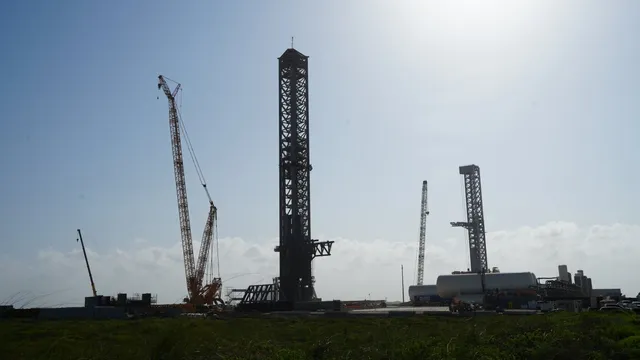
The newly incorporated city of Starbase, Texas, established in 2025 as a vehicle for Elon Musk's SpaceX ambitions, is pursuing a significant expansion of its territorial footprint. The city is asking its residents to consider annexing approximately 7,100 acres of surrounding land, a move that encompasses both state and private property. This proposed annexation is intrinsically linked to SpaceX's operational goals, as the city was created specifically to help grow the company's workforce and increase its capacity for development and manufacturing, all in service of enabling more frequent rocket launches from the nearby Boca Chica Launch Site. The expansion plan follows a key regulatory milestone in April 2025, when the Federal Aviation Administration approved SpaceX's request to increase the number of launches from the site. This entire endeavor is part of Elon Musk's stated long-term vision to build a complex from which SpaceX can launch humans back to the moon and eventually to Mars.
The proposed annexation has ignited considerable opposition from local landowners and environmental activists who are deeply concerned about the impact on the community and the sensitive ecosystem surrounding the SpaceX complex. The city of Starbase already controls road access to a nearby beach and a nature reserve during launch operations, a point of friction with residents and agencies like the U.S. Fish & Wildlife Service. Activist Hinojosa and several private landowners fear the expansion will exacerbate existing problems. One landowner, Buckner, whose grandmother was a Holocaust survivor who fled Poland and purchased property in south Texas, is opposed to the annexation. Buckner believes this is just the beginning of a continuous push for expansion, attributing the company's ability to do so to political leverage and influence over politicians who, in her view, make judgments that are not in the community's best interest.
Environmental concerns are at the heart of the opposition, with fears that more rocket launches will lead to greater ecological damage. Activist Hinojosa has documented physical evidence of the current impact, possessing photos of metal shrapnel that has been blown onto the surrounding area from launch activities. This tangible debris underscores the potential risks of scaling up operations. Despite these documented concerns, SpaceX did not respond to questions from NPR regarding the environmental impact of its rocket launches, leaving the community's worries unaddressed by the company. The sentiment among some residents is one of powerlessness, with one local, Benavides, expressing a fatalistic view that there is nothing that can be done to stop the expansion. Hinojosa succinctly characterized the situation by stating that while the public-facing name is 'Starbase,' pulling back the curtain reveals it is fundamentally a 'SpaceX annexation,' suggesting the city is a corporate tool for land acquisition and operational control.
The situation in Boca Chica represents a complex collision of ambitious private space exploration, local governance, and environmental stewardship. The creation of Starbase as a municipality is a novel legal and political strategy to facilitate industrial expansion, effectively allowing a corporate entity to leverage the powers of a city government for its own development goals. The annexation of 7,100 acres would dramatically alter the landscape, potentially displacing long-time landowners and further restricting public access to natural resources. The opposition's argument is twofold: it is a fight for private property rights against a powerful corporate-backed entity, and a fight for environmental protection against the largely unregulated consequences of a new industrial space age. The lack of response from SpaceX to environmental inquiries adds to the tension, leaving critics to conclude that the company's expansionist goals are being pursued without sufficient accountability or regard for the local community and ecosystem that have existed there for generations.

Comprehensive report
Full story,
in detail.
Trace the developments that led here, see how the story evolved, and understand the forces and wider context surrounding it.