
Topic overview
Briefly
- Amy Goodman is a prominent journalist known for her investigative work and the radio show Democracy Now!, which has been on air since 1996.
- She gained attention for her bold confrontation with Chevron in Nigeria, revealing the company's support for military actions against the Ogoni people.
- Goodman's journalism highlights the need for independent media voices in the face of corporate and government narratives.
What happened
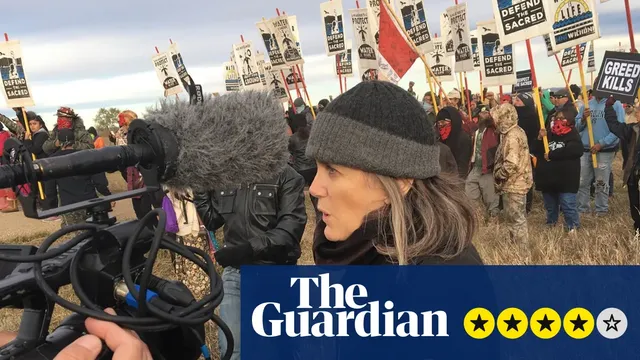
In the late 1990s, Amy Goodman, a prominent journalist and host of the radio show Democracy Now!, gained recognition for her fearless reporting and investigative journalism. One of her notable achievements occurred when she entered Chevron's corporate headquarters in Nigeria, brandishing her US passport and demanding an interview. During this encounter, a press officer inadvertently confirmed that Chevron was providing logistical support to the military in suppressing protests led by the Ogoni people, who were advocating for their rights and environmental justice. This incident highlighted the often-overlooked complicity of corporations in human rights abuses and environmental degradation.
Goodman's work has consistently focused on issues that mainstream media often neglects. Since the inception of Democracy Now! in 1996, she has been a staunch advocate for progressive journalism, challenging the narratives presented by corporate news outlets. Her reporting has included critical coverage of significant events, such as the massacre in East Timor and the US government's response to the 9/11 attacks. Goodman has been particularly vocal about the health hazards faced by workers at Ground Zero and the misleading justifications for the Iraq War, which was predicated on the false premise of weapons of mass destruction.
Despite her impactful journalism, the documentary about her life and work suggests that there are areas where Goodman could be more critical. For instance, while she has been a fierce critic of the US government and its corporate allies, the rise of Islamist extremism, a significant global issue, has not received as much attention in her reporting. This oversight raises questions about the broader implications of her focus and the potential consequences of ignoring such threats to democracy.
As the political landscape in the United States has evolved, Goodman has continued to challenge figures like Donald Trump, who has openly attacked the mainstream media. This dynamic complicates her position, as Trump's rhetoric resonates with her own critiques of corporate media. The documentary reflects on these complexities, suggesting that while Goodman remains a vital voice for progressive journalism, there are moments where her approach could benefit from a more nuanced examination of the challenges posed by extremist ideologies and the current political climate.

Comprehensive report
Full story,
in detail.
Trace the developments that led here, see how the story evolved, and understand the forces and wider context surrounding it.