
Topic overview
Briefly
- Andrew Garfield read Simon Farnaby's screenplay and felt passionate about its whimsy and joy.
- Garfield believes people are craving connection and reconnection to the earth and each other.
- The film's story begins when a mother quits her job and the family moves to the countryside.
What happened
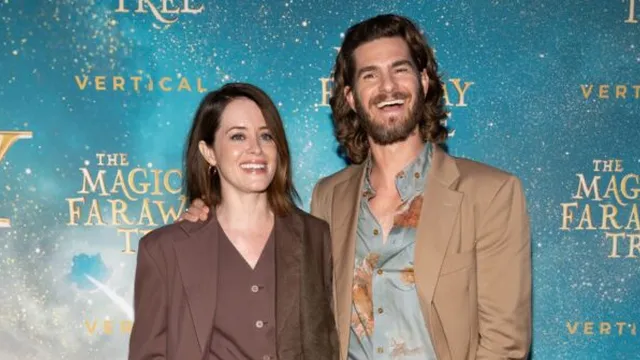
Andrew Garfield, a two-time Oscar nominee, stars in the upcoming family adventure film "The Magic Faraway Tree," which is set to arrive in U.S. theaters on Friday. The film is based on Enid Blyton's beloved children's book series and follows the story of Tim, a stay-at-home father. The narrative is set in motion when Tim's wife, Polly, quits her job, prompting the family to relocate to the countryside. This move leads their children to discover the magical Faraway Tree, a portal to ever-changing fantastical worlds, which launches the entire family into a series of adventures. Garfield was drawn to the project after reading the screenplay by Simon Farnaby, whose sense of whimsy, heartfeltness, magic, and joy resonated deeply with him, making him feel very passionate about the role.
The film's central themes of nature, imagination, and community are what Garfield believes are particularly relevant in the current era, where technology increasingly dominates daily life. He expressed that he thinks people are craving connection, community, and a reconnection to the earth and to each other. For Garfield, the film's message extends beyond its fantasy elements, serving as a reminder that there is magic to be found in the ordinary as well as the extraordinary. He wants audiences to look up from their phones and recognize the wonder that still exists in the world around them, a sentiment that directly reflects his character Tim's journey of finding wonder outside of modern life's routines and distractions.
Garfield's personal connection to the story's themes is rooted in his own childhood. While he did not read "The Faraway Tree" series as a child, he grew up reading another of Enid Blyton's series, "The Famous Five," with his brother. His mother introduced him to J.R.R. Tolkien's "The Hobbit," and he noted that any underdog story is what captivates him. Another significant childhood escape for Garfield was the video store, where he was fascinated by the rows of VHS tapes and the possibilities their covers represented. This habit has evolved in his adulthood into browsing streaming services, enjoying the feeling of looking into the windows of imaginary worlds without necessarily choosing one. This nostalgia for analog experiences aligns with his appreciation for the resurgence of VHS and other analog technology among younger audiences, a trend he enthusiastically supports.
The film's production and Garfield's involvement highlight a deliberate effort to create a story that counters the isolating effects of modern technology by celebrating tangible, real-world connections and the power of imagination. The screenplay by Simon Farnaby was the key catalyst for Garfield's commitment, as he adored its specific blend of tones. The story's premise, where a family's economic and lifestyle change leads to a magical discovery, serves as a vehicle for the broader message about finding awe on the planet. Garfield's public statements frame the film not just as entertainment but as a potential antidote to a societal craving for deeper, more authentic experiences, suggesting that the film's release is timed to meet a growing desire for stories that emphasize togetherness and the natural world.

Comprehensive report
Full story,
in detail.
Trace the developments that led here, see how the story evolved, and understand the forces and wider context surrounding it.