
Topic overview
In brief
- Spokane is experiencing one of the most destructive wildfire emergencies in its history, with over 700 buildings destroyed.
- The fires have burned more than 8,000 acres and forced approximately 65,000 people to evacuate.
- The situation highlights the need for increased firefighting resources and raises concerns about future fire spread due to expected weather changes.
Summary
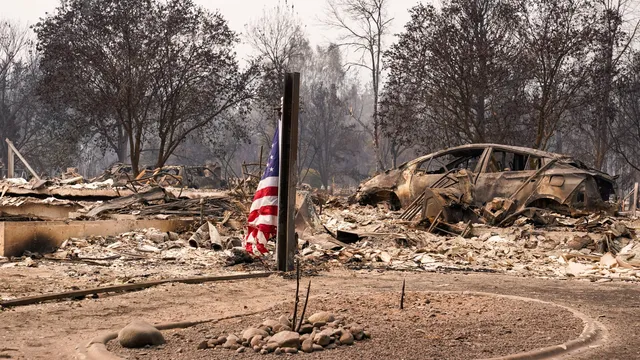
In recent days, Spokane, Washington, has been at the epicenter of one of the most destructive wildfire emergencies in the state's history. Over the weekend, three fast-moving wildfires erupted on the northern outskirts of the city, fueled by exceptionally dry vegetation and strong winds. The fires have consumed more than 8,000 acres, leading to the destruction of over 700 buildings and forcing approximately 65,000 residents to evacuate. This situation has overwhelmed local firefighting resources, prompting a large-scale response with more than 1,000 firefighters deployed from various regions to combat the blazes.
The severity of the wildfires is attributed to multiple factors, including the simultaneous occurrence of large fires across the western United States. Spokane is currently grappling with three major wildfires, while dozens of other significant fires are reported in states like Idaho, Oregon, and Utah. The rapid advancement of the flames into populated areas has been alarming, as they have jumped roads and rivers, threatening lives and property. Firefighters have been taking advantage of a brief period of cooler temperatures and lighter winds, but forecasts indicate that hotter, drier, and windier conditions are expected to return, raising concerns about the potential for further spread of the fires.