
Topic overview
In brief
- Zack Polanski criticized the government for its inadequate response to summer heatwaves and wildfires.
- He called for immediate measures, including cool spaces and financial support for households.
- Polanski's statements highlight the urgent need for action to protect public health and food supplies.
Summary
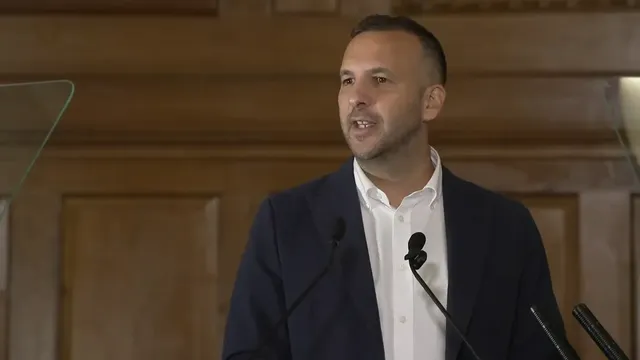
In the United Kingdom, Zack Polanski, the leader of the Green Party of England and Wales, has publicly criticized the government for its inadequate response to the extreme heatwaves experienced this summer. During a speech in central London, he highlighted the severe impact of record temperatures, wildfires, and drought conditions on public health and food supplies, labeling it the most significant threat to the country since World War II. Polanski urged Andy Burnham, who recently took office, to take immediate action, including the establishment of publicly accessible cool spaces and financial support for households to adapt to the heat. He emphasized the urgency of the situation, stating that extreme weather has become the new normal and that without prompt action, the consequences for the population could be dire. Furthermore, he called for a new strategy to prevent wildfires and proposed blocking new oil and gas drilling licenses, arguing that the government should prioritize public safety over fossil fuel development. In response, Labour criticized the Green Party for its past opposition to clean energy projects and reservoir developments, claiming that such actions hinder progress towards the goals Polanski advocates. The Labour Party asserted its commitment to delivering necessary upgrades to the water sector and urged the Greens to support these initiatives. The ongoing heatwave has raised alarms among farmers regarding food supply issues, and the government has faced increasing pressure to address the challenges posed by climate change and extreme weather events. Polanski's remarks reflect a growing concern among environmentalists and public health advocates about the government's preparedness for climate-related crises and the need for a comprehensive approach to safeguard the population against future threats.