
Topic overview
Briefly
- Scientists at the University of Reading created a chocolate bar using cocoa beans grown in Berkshire.
- Maha Khan, a master’s student, led the project to highlight the effects of climate change on cocoa plants.
- The initiative aims to raise awareness about food security and the importance of protecting cocoa farmers.
What happened
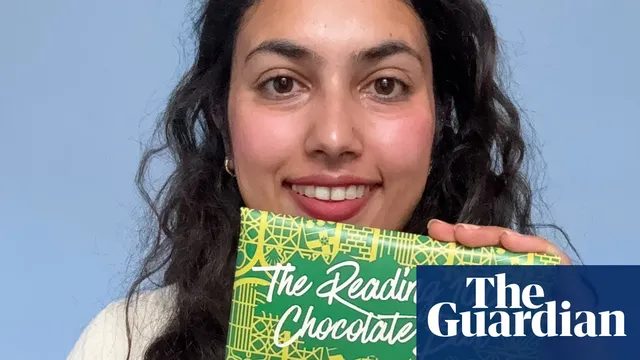
In a groundbreaking effort to highlight the impact of climate change on cocoa production, scientists at the University of Reading in the United Kingdom have successfully crafted a chocolate bar using cocoa beans grown locally in Berkshire. This initiative marks the first time since 1932 that a chocolate bar has been made with 100% British ingredients. The project was led by Maha Khan, a master’s student at the university, who harvested, fermented, and processed the cocoa beans as part of her studies. The chocolate bar was created to celebrate the university's 100th anniversary and to draw attention to the precarious nature of food supplies in the face of climate change.
Cocoa plants are particularly sensitive to fluctuations in temperature and rainfall, which are becoming increasingly erratic due to climate change. The production of cocoa is heavily reliant on specific growing conditions, and as global temperatures rise, many regions that traditionally produce cocoa are facing challenges that threaten their output. The University of Reading houses over 300 varieties of cocoa plants at its international cocoa quarantine centre, which plays a crucial role in preserving these plants and ensuring that farmers have access to hardier varieties that can withstand changing climates.
Khan expressed her excitement about the chocolate-making process, stating that it was remarkable to follow the journey from pod to bean to bar without leaving Reading. She noted the rich flavor of the chocolate, which is derived from a diverse collection of cocoa plants. The project not only serves as a delicious product but also aims to raise awareness about the importance of protecting cocoa farmers and their communities worldwide. The limited edition chocolate bar has only been produced in small quantities, with hopes to increase production depending on the availability of cocoa beans, which take several months to grow.
The initiative also aims to draw attention to the rising chocolate prices, which have been influenced by climate-related issues such as extreme weather events that have affected cocoa crops in Africa. As the chocolate industry continues to grow, with a market value of £10.4 billion in the UK, the reliance on imported cocoa raises concerns about sustainability and food security. Khan hopes to present one of the bars to the Princess of Wales, drawing a connection between the last British chocolate bar eaten by the late queen in 1932 and the new creation, emphasizing the historical significance of this endeavor.

Comprehensive report
Full story,
in detail.
Trace the developments that led here, see how the story evolved, and understand the forces and wider context surrounding it.