
Topic overview
Briefly
- George Street in Hull will close for three weeks starting Monday for pipe installation.
- The work is part of the Hull District Heat Network, which will use waste heat to supply 38 buildings
- The project is funded by £15m grant, £1.5m Levelling Up, and £27m loan, with CO2 savings of 110,000t
What happened
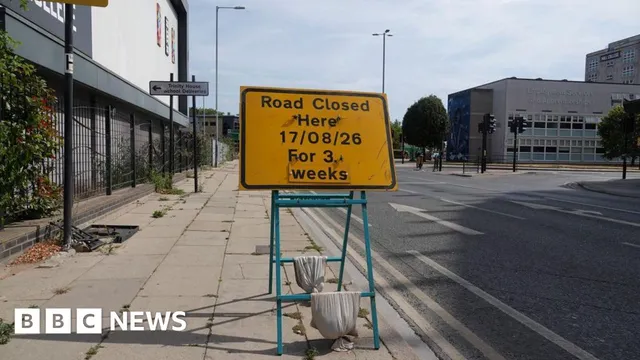
Hull City Council is set to begin the next phase of the Hull District Heat Network (HDHN) project, a low-carbon underground heating system that will transfer heat generated from waste to buildings across the city centre. Starting Monday, August 17, 2026, work will take place on George Street, requiring the road to be closed from the Wilberforce Drive junction to the Freetown Way junction for an estimated three weeks. The council has scheduled the work to occur between 07:30 and 17:00 BST, from August 17 to September 6, though weather conditions may necessitate overnight or weekend work. During the closure, George Street car park will remain accessible, and access to Charlotte Street Mews will be via a reversed one-way route from Grimston Street.
The HDHN project began in September 2025 and is expected to take three years to complete. The first phase will supply heat to 38 buildings, including public and commercial properties, and is projected to deliver approximately 110,000 tonnes of CO2 savings over 40 years. The scheme is funded by a £15 million grant from the Green Heat Network Fund, £1.5 million from the Levelling Up fund, and a £27 million government loan, which will be repaid through the operation of the network. Chris Jackson, a council representative, described the work as an important step towards delivering a cleaner, more sustainable city.
The installation of pipes on George Street is a critical component of the network's expansion, as it will connect the energy centre on Trippett Street to the wider city centre grid. The council has emphasized that the work is weather-dependent and may require extended hours to meet the schedule. The project is part of Hull's broader strategy to reduce carbon emissions and transition to renewable energy sources, aligning with national climate goals. The HDHN is expected to provide a reliable and efficient heating solution for decades, contributing to the city's environmental and economic resilience.
While the road closure may cause temporary disruption for motorists and businesses, the long-term benefits of the heat network are significant. The project not only reduces greenhouse gas emissions but also creates local jobs and supports the city's infrastructure modernization. The council has urged residents and visitors to plan their journeys accordingly and to follow diversion signs. The successful implementation of the HDHN could serve as a model for other cities seeking to adopt similar low-carbon heating systems.

Comprehensive report
Full story,
in detail.
Trace the developments that led here, see how the story evolved, and understand the forces and wider context surrounding it.