
Topic overview
Briefly
- Piping plovers were first spotted nesting at Montrose Beach in 2019 after a 71-year absence.
- Imani and Sea Rocket successfully raised four chicks this year, named after Chicago music legends.
- Conservation efforts in Chicago have shown that urban areas can support thriving wildlife populations.
What happened
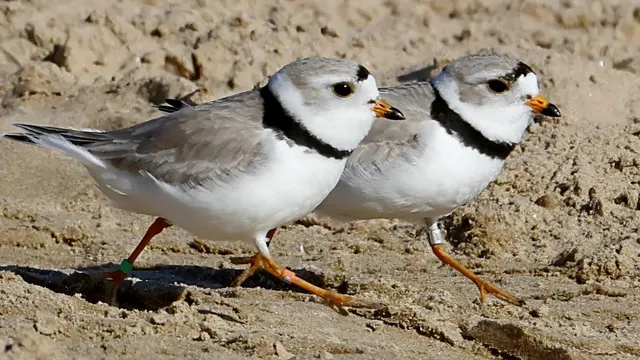
In Chicago, the piping plovers have made a remarkable recovery since being placed on the federal endangered species list in 1986. The birds, which had not nested in the area for 71 years, first returned to Montrose Beach in 2019, capturing the city's attention. Monty and Rose, the original nesting pair, became local icons, but Monty died in 2022, and Rose likely perished around the same time. Their offspring, Imani, continued the legacy by nesting with a female named Sea Rocket, and together they successfully raised four chicks this year, named after Chicago music legends. Unfortunately, two of the chicks, Mavis and Tweedy, died shortly after hatching, while Buddy and Frankie survived and fledged. The lead monitor for Chicago Piping Plovers, John McElhattan, expressed hope for the future of these birds, emphasizing the importance of raising awareness and involving volunteers in conservation efforts. He envisions a broader range for piping plovers across more Chicago beaches, highlighting the unique success of these birds thriving in an urban environment. The ongoing conservation efforts have proven that even in a bustling city, nature can flourish, and the community's involvement is crucial for the continued success of the piping plovers in Chicago.

Comprehensive report
Full story,
in detail.
Trace the developments that led here, see how the story evolved, and understand the forces and wider context surrounding it.