
Topic overview
Briefly
- A group of young volunteers from Birmingham traveled to northern Pakistan to assist a community affected by climate change.
- They helped establish a rescue center in the village of Tali Das, which had been devastated by a glacial lake outburst flood.
- The experience transformed their understanding of climate change and highlighted the resilience of the local community.
What happened
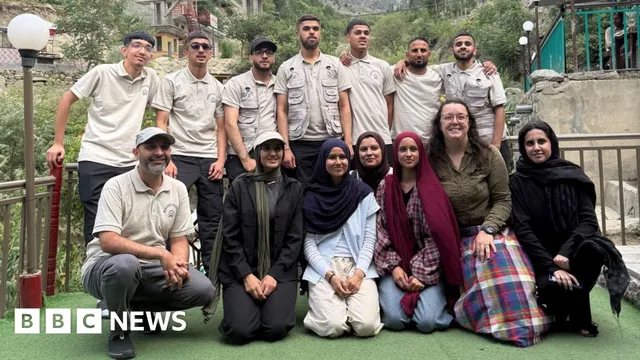
In a significant humanitarian effort, a group of young volunteers from Birmingham traveled to northern Pakistan to assist a community severely impacted by climate change. The volunteers, aged between 18 and 25, were part of a project organized by Birmingham charities Bahu Trust and Islamic Help. They spent several days in the remote district of Ghizer, specifically in the village of Tali Das, where they engaged with local families and learned about the challenges faced by the residents due to climate change. The community had recently experienced a glacial lake outburst flood that destroyed their homes, forcing them to start anew.
During their stay, the volunteers not only helped set up a rescue center but also shared meals and listened to personal stories from the villagers. This immersive experience allowed the young volunteers to witness firsthand the resilience of the community, which, despite its hardships, remained hopeful and united. One volunteer, Suleman, expressed how the experience shifted his perspective on climate change, transforming it from a distant concept into a pressing reality.
The rescue center established by the volunteers was designed to equip local residents with emergency equipment and training, enabling them to respond effectively to future climate-related disasters such as floods and landslides. This initiative aimed to empower the community while they awaited assistance from emergency services, which often take time to reach remote areas. The project was not just about providing aid; it was also about fostering leadership and compassion among the young volunteers.
Mission Possible coordinator Kiren Shafiq emphasized the importance of empowering young people to become active citizens and compassionate leaders. The experience left a lasting impact on the volunteers, who returned home with a deeper understanding of the challenges faced by communities affected by climate change. They recognized the privilege of their own living conditions and the stark contrast to the struggles of those they had helped. This trip served as a powerful reminder of the urgent need for collective action to address climate change and support vulnerable communities worldwide.

Comprehensive report
Full story,
in detail.
Trace the developments that led here, see how the story evolved, and understand the forces and wider context surrounding it.