
Topic overview
Briefly
- The Denver Zoo has faced scrutiny following several high-profile animal deaths, including a black rhinoceros and a Cape buffalo calf.
- Dr. Jimmy Johnson, the head veterinarian, advocates for a 'whole life care' philosophy that includes compassionate end-of-life care.
- The zoo prioritizes quality of life over merely extending life, making euthanasia a part of their thoughtful care plan.
What happened
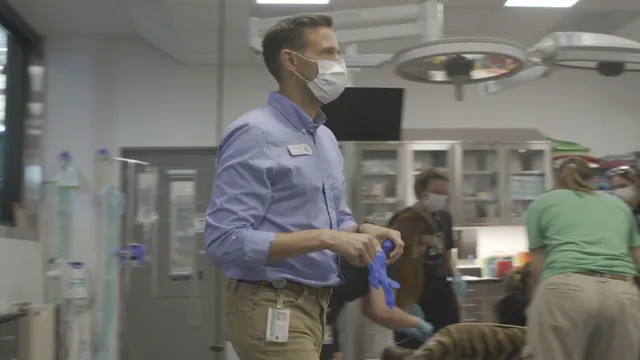
In the United States, specifically at the Denver Zoo, several high-profile animal deaths have raised concerns among visitors regarding the zoo's end-of-life decision-making process. The zoo's head veterinarian, Dr. Jimmy Johnson, has been vocal about their approach, which is guided by a philosophy known as 'whole life care.' This philosophy emphasizes providing a fulfilling and enriched life for the animals, which includes addressing their end-of-life needs with compassion and dignity. The recent deaths of several animals, including a 32-year-old black rhinoceros named Rudy, a Cape buffalo calf named Kai, and a critically endangered Bactrian camel named Hagrid, have brought this topic to the forefront. Rudy was euthanized in May due to chronic health conditions and mobility issues, while Kai succumbed to kidney failure shortly after birth. Hagrid's unexpected death was attributed to acute gastrointestinal complications. Dr. Johnson noted that every loss is challenging for the staff, who dedicate years to caring for these animals. He emphasized that when an animal faces a terminal or untreatable condition, the focus shifts to ensuring a quality of life rather than merely prolonging it. Euthanasia, as he explained, is not seen as a last resort but rather as a part of a comprehensive end-of-life care plan. This approach aims to provide a comfortable and dignified passing for the animals, reflecting the zoo's commitment to their well-being. The zoo's philosophy extends beyond the animals' lives, as the staff continues to honor their care even after death, ensuring that the animals receive the best possible treatment throughout their lives.

Comprehensive report
Full story,
in detail.
Trace the developments that led here, see how the story evolved, and understand the forces and wider context surrounding it.