
Topic overview
Briefly
- Labor unions in the U.S. spent $1.8 billion on political contributions during the 2024 election cycle.
- Union political involvement is primarily driven by officials rather than the workers themselves.
- The alignment of unions with leftist causes raises questions about conservative support for union power.
What happened
In the United States, labor unions have become significant political players, particularly during the 2024 election cycle, where they spent approximately $1.8 billion on political contributions. This funding primarily supported Democratic candidates and leftist causes, raising concerns among conservatives about the alignment of union interests with their political objectives. Union officials, rather than the workers themselves, drive this political involvement, often misrepresenting the collective demands of the workforce. As a result, unions have been criticized for focusing on progressive political activism rather than solely on workplace conditions, which many blue-collar workers find unappealing.
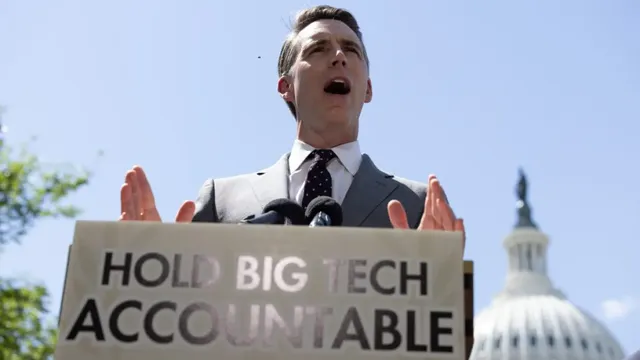
The political landscape surrounding labor unions has shifted, with some conservatives, like Josh Hawley, advocating for a coalition between social conservatives and labor unions. They perceive union leaders as champions of the working class against corporate interests. However, this perspective overlooks the fact that unions, such as the Teamsters, predominantly support Democratic candidates, with 93% of their contributions directed towards the left. This has led to skepticism about the sincerity of any purported shift in union politics, as the unions continue to prioritize their progressive agendas.
Moreover, unions have increasingly focused their organizing efforts on white-collar professionals, who tend to be more receptive to progressive politics. For instance, the United Auto Workers (UAW) has successfully organized among college graduate students and lawyers, pushing for contracts that include provisions for gender-affirming health services and abortion coverage. This shift in focus has further alienated blue-collar workers, who may not see the relevance of such political activism to their immediate workplace concerns.
The implications of this political involvement are significant, as unions continue to wield considerable influence over elections and policy-making. The financial support they provide to progressive causes and candidates raises questions about the future of labor relations in the U.S. and the potential for a genuine alliance between conservatives and labor unions. As the political landscape evolves, the challenge remains for right-of-center politicians to reconcile their support for union power with the unions' entrenched leftist affiliations.

Comprehensive report
Full story,
in detail.
Trace the developments that led here, see how the story evolved, and understand the forces and wider context surrounding it.