
Topic overview
Briefly
- Cuts to foreign aid have led to a significant increase in maternal and child mortality rates in Nepal.
- Kabita, a young mother, died from complications of eclampsia after being unable to access timely medical care.
- Experts warn that the health of a nation is reflected in the well-being of its children, indicating a grim future for maternal and child health.
What happened
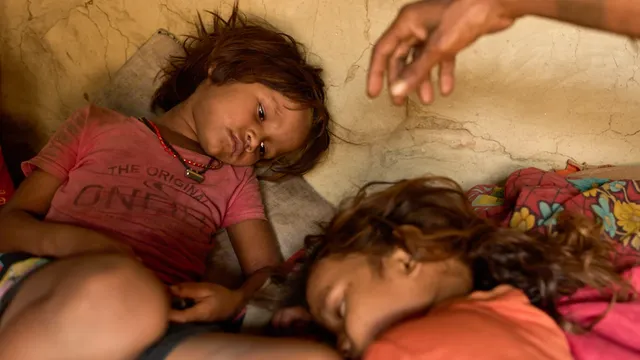
In Nepal, the impact of significant cuts to foreign aid has led to a troubling increase in maternal and child mortality rates. The situation has become dire, particularly for women like Kabita, who faced severe health complications during her pregnancy. Kabita, an uneducated and impoverished young mother, struggled with severe anemia and eclampsia but lacked the knowledge and resources to seek timely medical help. Her husband was working abroad, leaving her reliant on her aunt for assistance. Unfortunately, by the time they reached the hospital, it was too late, and both Kabita and her baby lost their lives due to complications that could have been prevented with proper medical care. This tragic event highlights the broader consequences of funding cuts, as organizations like CARE Nepal have reported a significant decline in prenatal care visits and an increase in maternal deaths since the U.S. reduced its financial support. Experts warn that the health of a nation is often reflected in the well-being of its children, and the current trends suggest a grim future for maternal and child health in Nepal. The U.S. government maintains that no deaths have occurred due to funding cuts, yet the reality on the ground tells a different story, as local health workers witness the devastating effects of reduced aid on vulnerable populations.

Comprehensive report
Full story,
in detail.
Trace the developments that led here, see how the story evolved, and understand the forces and wider context surrounding it.