
Topic overview
In brief
- A recent study indicates that climate change has significantly increased the likelihood of extreme weather conditions leading to wildfires in Canada.
- The Northwest Territories have seen over 5,000 square miles burned, primarily due to lightning and exacerbated by climate conditions.
- Experts emphasize the urgent need to address fossil fuel consumption to mitigate the impacts of climate change and prevent future wildfires.
Summary
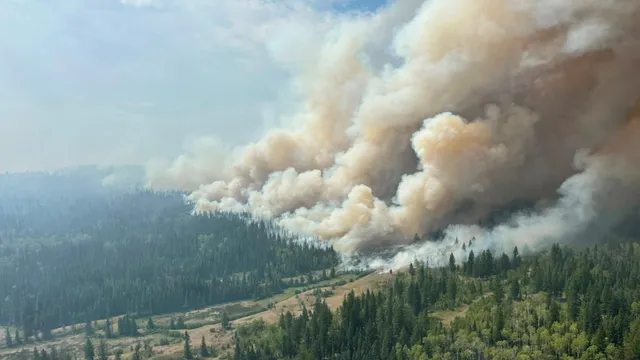
In recent months, Canada has experienced massive wildfires, significantly exacerbated by human-caused climate change. A study released recently indicates that climate change has doubled the likelihood of the extreme weather conditions that led to these wildfires. The research, which has not yet undergone peer review, analyzed various weather factors such as heat, humidity, and wind, all of which contribute to the intensity and spread of wildfires. The findings highlight a concerning trend where hotter and drier conditions are becoming more common, leading to more frequent and intense fires across the region.
The Northwest Territories have been particularly hard hit, with over 5,000 square miles of land burned. While lightning is often the initial spark for these fires, the study emphasizes that it is the prevailing climate conditions that allow these fires to grow rapidly and become uncontrollable. Experts, including Jonathan Boucher from Canada's Forest Service, have noted that the unique characteristics of Canada's forests, which are often remote and filled with highly flammable spruce and pine, complicate firefighting efforts. In many cases, firefighters have only a narrow window of about 30 minutes to respond to new fires before they become too large to manage.