
Topic overview
Briefly
- The earthquake has resulted in at least 181 deaths and over 2,595 injuries, with many still missing.
- Rescue operations are complicated by the destruction of infrastructure and the slow response to international aid requests.
- The situation highlights the need for increased humanitarian support in Colombia's vulnerable communities.
What happened
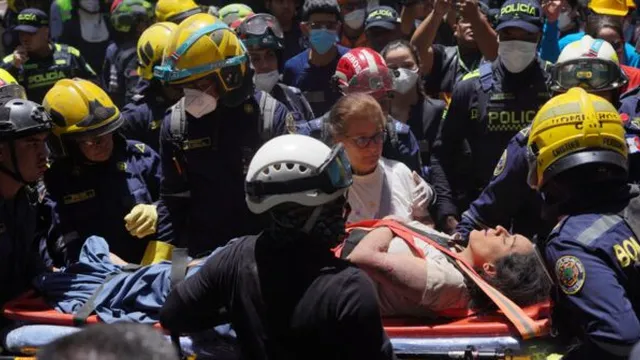
In the aftermath of a devastating 7.4 magnitude earthquake that struck Colombia, search and rescue operations have intensified as authorities race against time to locate survivors. The earthquake, which occurred on a Monday, has resulted in at least 181 confirmed deaths and left over 2,595 individuals injured. As of the latest reports, approximately 195 people are still unaccounted for, although civilian databases suggest that the number of missing could exceed 4,000. The hardest-hit cities include Cali, Pereira, Manizales, and Quibdó, where more than 100 buildings have collapsed, complicating rescue efforts.
President Abelardo de la Espriella has faced criticism for his slow response in requesting international aid, initially limiting requests to supplies before accepting assistance from countries like the United States and Argentina. The urgency of the situation is underscored by the fact that the chances of saving lives diminish significantly after the first 72 hours following an earthquake. Rescuers have been working tirelessly alongside local firefighters and residents to clear debris and search for survivors, with some success stories emerging, such as the rescue of a woman named Daniela who was pulled from the rubble after being trapped for a day and a half.
The earthquake has exacerbated existing humanitarian challenges in Colombia, where deep poverty and civil conflict have already strained resources. Many communities, particularly in Quibdó, are facing severe shortages of heavy machinery and essential supplies for the injured. While food supplies are reportedly sufficient, there is a critical need for items such as mattresses, blankets, and generators. The destruction of shelters has left many vulnerable individuals without homes or livelihoods, particularly street vendors who have lost their means of income.
As the situation unfolds, various aid organizations, including the Red Cross and local foundations, are mobilizing to provide support to affected communities. The international response has also begun to materialize, with countries like El Salvador pledging to send aid. The ongoing efforts to rescue survivors and provide humanitarian assistance highlight the resilience of the Colombian people and the importance of international solidarity in times of crisis.

Comprehensive report
Full story,
in detail.
Trace the developments that led here, see how the story evolved, and understand the forces and wider context surrounding it.