
Topic overview
Briefly
- The Australian government is preparing a $2.5 billion bailout for the Tomago aluminium smelter due to rising energy costs.
- Rio Tinto has indicated it may cease operations at the smelter at the end of its electricity supply contract.
- The bailout aims to ensure the smelter's viability and support the transition to renewable energy.
What happened
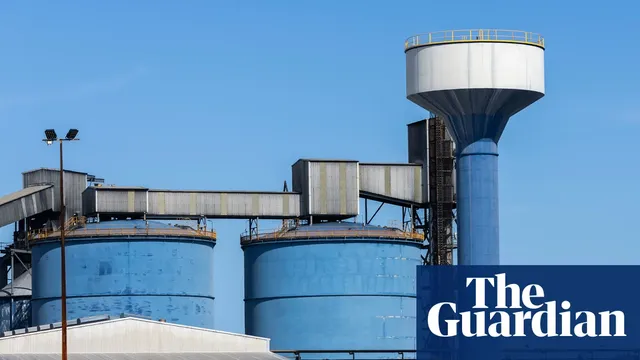
In Australia, a significant financial intervention is being prepared for the Tomago aluminium smelter, which is the largest of its kind in the country. Prime Minister Anthony Albanese and New South Wales Premier Chris Minns are set to announce a joint funding package worth up to $2.5 billion. This announcement is expected to take place on Thursday morning, as rising energy costs have put the smelter's operations in jeopardy. The Tomago site, located north-west of Newcastle, employs around 1,000 workers and accounts for over 10% of the state's energy consumption.
Rio Tinto, the resources giant that operates the smelter, indicated in December that it might cease operations at Tomago once its current electricity supply contract expires. The looming bailout is seen as a crucial step to ensure the smelter's viability, especially as the site aims to transition to 100% renewable energy by the end of the decade. The funding is expected to be split evenly between the federal government and the New South Wales government, with additional capital improvements anticipated from Rio Tinto.
The deal is also linked to power purchase agreements with the government-owned utility Snowy Hydro, which is expected to create approximately 2.5 gigawatts of new energy supply. This intervention follows a series of taxpayer-funded bailout packages offered by the federal government to support metal processors across Australia, including significant funds for other smelters and refineries. Critics, including Nationals leader Matt Canavan, have raised concerns about the sustainability of relying on government bailouts for major industries, emphasizing the need for a stable economic foundation.
As the global trading environment for aluminium remains volatile, the government is under pressure to ensure that Australia continues to produce this vital material. The potential closure of Tomago would have significant repercussions for various industries that rely on aluminium, including construction, packaging, and renewable energy sectors. The upcoming announcement is a pivotal moment for the future of aluminium production in Australia, as the government seeks to balance economic support with long-term sustainability goals.

Comprehensive report
Full story,
in detail.
Trace the developments that led here, see how the story evolved, and understand the forces and wider context surrounding it.