
Topic overview
In brief
- Cuba's electricity grid collapsed late on Sunday, affecting about 10 million people.
- The outage follows a series of nationwide blackouts and is linked to a US-imposed oil blockade.
- The situation highlights the urgent need for reforms in Cuba's aging energy infrastructure.
Summary
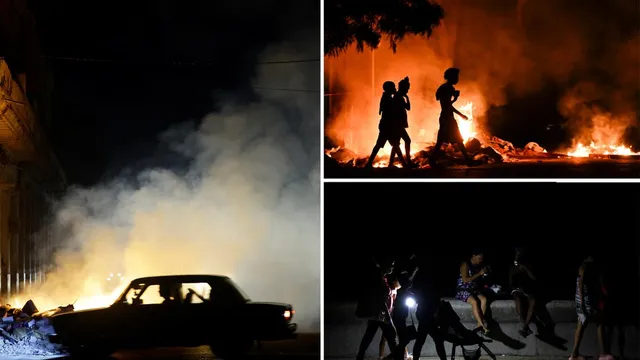
Cuba, an island nation with a population of about 10 million, experienced a significant electricity grid failure late on Sunday, resulting in widespread blackouts. This incident marks a continuation of a troubling trend, as the frequency of blackouts has been increasing across the country. The collapse of the grid follows three nationwide blackouts that occurred in July, highlighting the ongoing challenges faced by the nation's energy infrastructure. The situation has been exacerbated by a US-imposed oil blockade, which has severely limited Cuba's ability to secure necessary fuel imports.
The Union Electrica de Cuba, the state-owned electricity provider, did not provide further details regarding the grid's collapse in their communications on social media platforms such as X and Facebook. The power crisis is a direct consequence of the mounting pressure on Cuba's energy system, which has struggled to adapt to the loss of a key fuel source. This loss is attributed to the oil blockade initiated by former US President Donald Trump, which followed the ousting of Venezuelan President Nicolas Maduro on January 3. Venezuela had historically been Cuba's primary oil supplier, and the blockade has significantly impacted the island's energy resources.