
Topic overview
Briefly
- Leah Purcell's operatic adaptation premiered in May 2026 at the Queensland Performing Arts Centre.
- The opera explores themes of First Nations culture and the impact of colonialism through the character of Molly Johnson.
- This production serves as a powerful reclamation of the national narrative and invites audiences to engage with Indigenous histories.
What happened
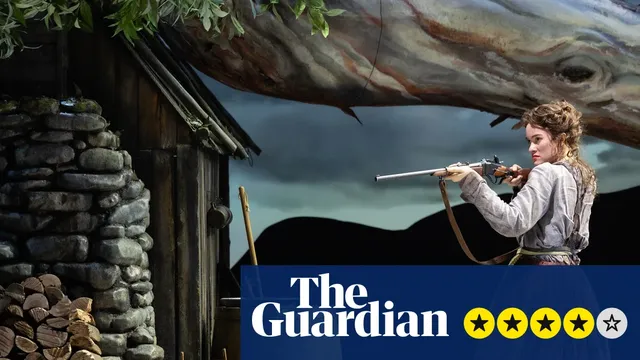
In May 2026, Leah Purcell's operatic adaptation of her acclaimed story premiered at the Queensland Performing Arts Centre in Australia. This adaptation builds upon her previous works, including a stage play and a novel, and aims to explore the complexities of First Nations culture and the impact of colonialism. The opera, composed by George Palmer, features a rich narrative that delves into the life of Molly Johnson, a character who embodies the struggles and resilience of Aboriginal women. The performance incorporates elements of traditional Aboriginal ceremony, dance, and music, creating a powerful and immersive experience for the audience.
The story is rooted in the historical context of colonial Australia, where the treatment of Indigenous peoples and women is examined through a postcolonial feminist lens. Purcell, a Goa Gunggari Wakka Wakka Murri woman, uses the character of Molly Johnson to challenge the narratives surrounding Aboriginal identity and to assert the importance of cultural knowledge. The opera expands on the original short story by Henry Lawson, providing depth to the characters and their relationships, particularly focusing on love and connection to country.
The production features a stunning set design that evokes the alpine landscapes of Victoria, enhancing the emotional impact of the story. The choreography, led by Yolande Brown, represents ancestral spirits and the connection to land, further enriching the narrative. The music, while pleasing, also incorporates dissonant elements to underscore the more violent aspects of the story, such as the recounting of historical traumas faced by Indigenous peoples.
Overall, Purcell's operatic version serves as a reclamation of the national narrative, offering a platform for truth-telling and a deeper understanding of the complexities of race and gender relations in Australia. The opera not only entertains but also educates, inviting audiences to engage with the painful histories and rich cultures of First Nations peoples.

Comprehensive report
Full story,
in detail.
Trace the developments that led here, see how the story evolved, and understand the forces and wider context surrounding it.