
Topic overview
In brief
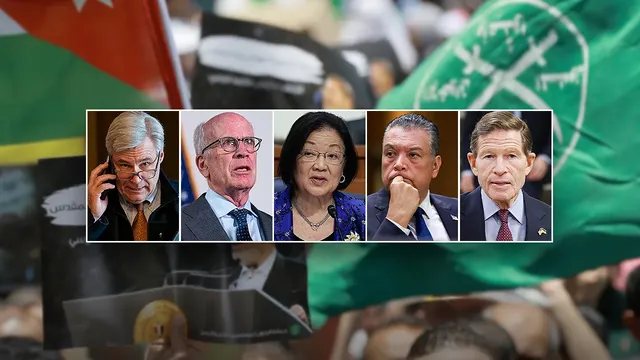
- Democratic lawmakers boycotted a Senate Judiciary hearing on the Muslim Brotherhood's alleged network in the U.S.
- Senator Ted Cruz criticized their absence, linking it to Abdul El-Sayed's primary victory.
- The controversy highlights ongoing tensions in U.S. politics regarding national security and party alignment.
Summary
On August 3, 2026, a Senate Judiciary subcommittee hearing took place in the United States, focusing on the alleged network of the Muslim Brotherhood within the country. Notably absent were all Democratic members of the subcommittee, which drew sharp criticism from Republican Senator Ted Cruz of Texas. Cruz opened the hearing by highlighting the empty chairs on the Democratic side, labeling their absence as an embarrassment. He linked their boycott to the recent primary victory of Abdul El-Sayed, a Democratic candidate who has faced scrutiny for his associations. Cruz argued that the Democrats' refusal to attend was indicative of their embrace of candidates with controversial ties, suggesting that the party was aligning itself with groups that pose a threat to national security. In response, the absent senators issued a joint statement condemning Cruz's actions as a political stunt that unfairly targeted Muslim Americans. They emphasized their focus on pressing issues affecting families, particularly those related to corruption in the Trump administration. The hearing featured testimony from witnesses, including Lara Burns, a retired FBI special agent, who warned against dismissing evidence related to terrorism due to political discomfort. Burns urged the public to recognize the historical context of the Muslim Brotherhood's activities in the U.S. and to confront the facts rather than ignore them due to their controversial nature. The hearing and the surrounding controversy reflect ongoing tensions in American politics regarding national security, party alignment, and the treatment of Muslim communities.