
Topic overview
Briefly
- The ongoing war in Gaza has led to the destruction of homes and schools for families, particularly affecting children with autism.
- Children like Ahmed and Muneer are experiencing severe behavioral relapses due to the stress of continuous bombing and medication shortages.
- The lack of safe environments and support systems has created a dire situation for families, highlighting the urgent need for intervention.
What happened
In Gaza, the ongoing conflict has severely impacted families, particularly those with autistic children. Ahmed, a child with autism, has lost his home, school, and favorite places due to the destruction caused by the war. His mother, Umm Ahmed, reports that the continuous bombing has disrupted Ahmed's routines, leading to extreme sensitivity to noise and severe panic attacks. The lack of safety has forced Ahmed to remain indoors, exacerbating his condition and leading to behavioral relapses.
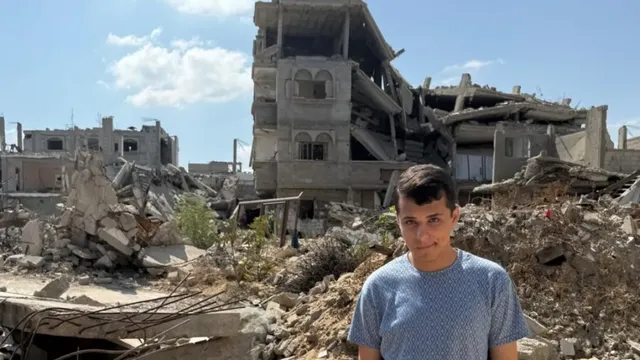
Similarly, 19-year-old Muneer al-Haj has experienced a regression in his condition due to the stress of the war and medication shortages caused by the blockade. His father, Abu Muneer, describes how Muneer now suffers from screaming fits and seizure-like symptoms, which have intensified with the ongoing shelling. The absence of a safe environment and the depletion of necessary medications have made it increasingly difficult for families to manage their children's conditions.
The World Health Organization has reported that no rehabilitation equipment has entered Gaza for an extended period, and facilities for special education have been destroyed. This has forced parents to take on greater therapeutic roles, often without the necessary training or resources. Reem Jarour, head of autism programs at Gaza's Dolphins Association for Education and Community Development, emphasizes the importance of predictable environments for individuals with autism. The sudden displacement and chaos caused by the war have turned familiar triggers into acute threats, leading to significant regression in social and linguistic skills.
As the conflict continues, the psychological and physical well-being of children with autism in Gaza remains at risk. The combination of environmental stressors, lack of medication, and the destruction of support systems has created a dire situation for families trying to cope with the effects of war on their children. Without immediate intervention and support, the long-term consequences for these children could be devastating.

Comprehensive report
Full story,
in detail.
Trace the developments that led here, see how the story evolved, and understand the forces and wider context surrounding it.