
Topic overview
In brief
- Biodiversity loss has been a recognized threat to global stability for decades.
- Human activity has significantly influenced ecosystems, including areas perceived as untouched.
- Nature's adaptability in the Anthropocene presents opportunities for increased biological diversity.
Summary
Biodiversity loss has been a recognized threat to global stability for decades, prompting discussions on how to address this pressing issue. In the context of climate change, it is essential to reconsider our approach to nature and biodiversity. Many ecologists, including Chris Thomas from the University of York, emphasize the need to accept that nature will adapt and evolve, even if the resulting diversity differs from what was previously present. This perspective challenges traditional views that often dismiss elements of nature that do not align with preconceived notions of what should exist in a given environment.
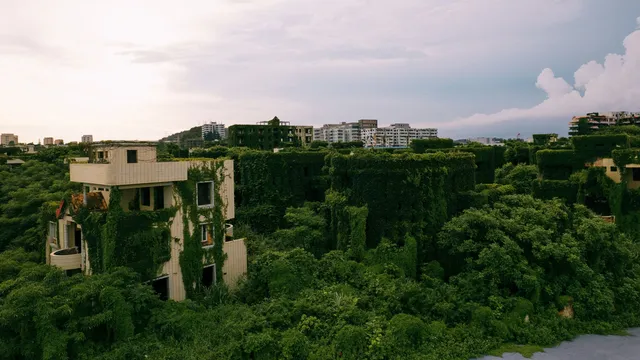
Environmental scientist Erle Ellis from the University of Maryland highlights that human activity has significantly influenced most of the planet for thousands of years, including regions like the Amazon, which are often perceived as untouched. This long-standing interaction between humans and nature suggests that we have lived on a 'used planet' where biodiversity is often highest in areas with prolonged human presence. The idea of a 'Good Anthropocene' emerges, advocating for a future where human influence can coexist with biodiversity.