
Topic overview
In brief
- A study claims wildfire smoke is reversing air quality gains.
- Prenatal exposure to wildfire smoke may harm unborn babies.
- The findings remain unverified and require further investigation.
Summary
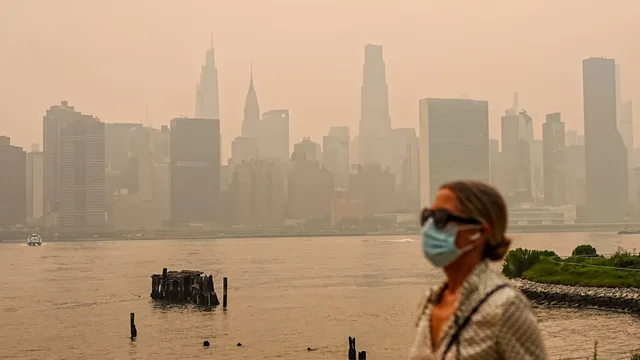
According to some sources, a recent study suggests that smoke from wildfires is increasingly undermining the health benefits achieved through reduced emissions from vehicles and industrial sources. The research, conducted by a team from the University of Maryland, indicates that while air pollution from human sources has decreased significantly, the contribution of wildfire smoke to prenatal air quality has doubled, potentially endangering the health of unborn babies. The study highlights that prenatal exposure to wildfire smoke may lead to adverse health outcomes, including low birth weight and preterm births, particularly affecting vulnerable populations such as low-income and Indigenous communities. However, it is important to note that these claims have not been confirmed by reliable sources, and the implications of the findings remain speculative. The report emphasizes the need for further investigation into how wildfire smoke exposure can be managed to protect prenatal health, but the reliability of the data and conclusions drawn from it is still in question.