
Topic overview
Briefly
- Fenwick Island, Delaware has only about 900 registered voters on its rolls.
- Some registered voters are family trusts and a few are companies, not individual humans.
- State lawmakers are attempting to prohibit non-human entities from voting in the town.
What happened
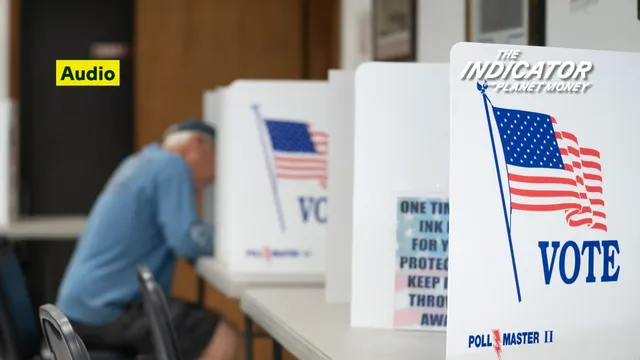
In the small coastal community of Fenwick Island, Delaware, a unique and long-standing electoral practice has come under scrutiny. The town, which maintains a voting roll of only around 900 registrants, has for years permitted entities that are not individual human beings to register and cast ballots in municipal elections. These non-human voters primarily consist of family trusts, but the registration rolls also include a small number of companies. This arrangement is a distinct feature of Fenwick Island's local governance, tailored to its nature as a tiny beach community where many properties are owned not by individuals but through legal structures designed for estate planning and asset management. The town's leadership defends the system, arguing that it functions effectively for their specific demographic and property-ownership reality, ensuring that property stakeholders have a voice in local affairs, such as infrastructure, beach maintenance, and town budgets, which directly affect their holdings.
The rationale behind allowing trusts and companies to vote is deeply rooted in the town's character as a resort and retirement destination. A significant portion of the residential properties are vacation homes or long-term investments held in the name of family trusts, often established to manage inheritance and avoid probate. By granting these trusts a vote, the town ensures that the interests of property owners—who may not be permanent residents but who contribute substantially to the local economy through property taxes—are represented. Similarly, a few commercial entities that own property in the town are also permitted to vote, giving them a direct say in regulations and decisions that impact their business operations. Town officials have stated that this practice has not led to widespread abuse or controversy locally and is seen as a pragmatic solution for a community where the number of human, year-round residents is exceptionally small and the property tax base is heavily reliant on non-resident owners.
Despite the local acceptance, the practice has attracted the attention of state lawmakers who are seeking to end it. These legislators argue that allowing non-human entities to vote is fundamentally at odds with democratic principles, which are predicated on the idea of one person, one vote. They contend that granting voting rights to trusts and companies effectively gives wealthy property owners multiple votes—one as an individual and potentially several more through various legal entities they control—thereby diluting the voting power of permanent residents. The push to change the law is part of a broader examination of electoral integrity and corporate influence in governance. Lawmakers are proposing legislation that would explicitly restrict voting rights to natural persons, aligning Fenwick Island's charter with standard electoral practices found in the rest of the state and the nation. The debate raises complex questions about representation, property rights, and the definition of a voter in a modern democracy.
The consequences of this legislative challenge could significantly alter the political landscape of Fenwick Island. If state lawmakers succeed in banning non-human voting, the town's electorate would shrink, and the balance of power could shift dramatically from property stakeholders to the small number of permanent, human residents. This could lead to changes in local policy priorities, potentially affecting how funds are allocated for services that benefit absentee property owners versus full-time residents. The situation also sets a precedent for other small jurisdictions with unique voting arrangements. The fact-checking for the original report was conducted by Sierra Juarez, underscoring the journalistic effort to verify the details of this unusual electoral system. The story connects to broader themes of corporate personhood and the influence of money in politics, inviting listeners to consider who truly has a voice in local government and what the fundamental unit of democratic participation should be.

Comprehensive report
Full story,
in detail.
Trace the developments that led here, see how the story evolved, and understand the forces and wider context surrounding it.