
Topic overview
Briefly
- Colombia has recognized Israel's claim over the Golan Heights, joining the US in this stance.
- This decision was made shortly after the inauguration of President Abelardo de la Espriella.
- The recognition signifies a shift in Colombia's foreign policy towards closer ties with Israel and the US.
What happened
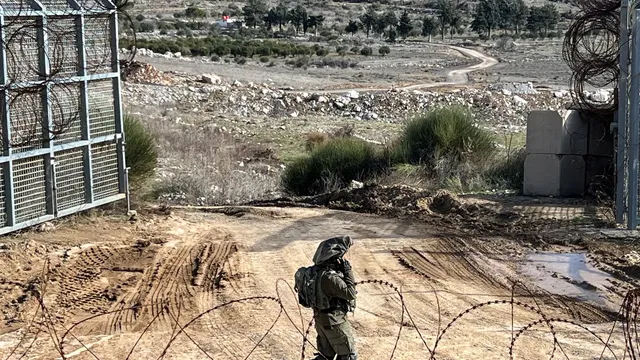
Colombia has officially recognized Israel's claim of sovereignty over the Golan Heights, making it only the second country to do so after the United States. This announcement came shortly after the inauguration of Colombia's far-right President Abelardo de la Espriella, who took office just days prior. The Colombian Foreign Ministry stated that this recognition is essential for Israel's national defense and its right to protect itself against external threats. The Golan Heights, captured by Israel during the 1967 Six-Day War, has been a point of contention, with the United Nations and most of the international community rejecting Israel's annexation of the territory.
The recognition aligns with de la Espriella's campaign promises to strengthen ties with the United States and Israel, contrasting sharply with the previous administration under Gustavo Petro, who had severed diplomatic relations with Israel and criticized its actions in Gaza. De la Espriella's government aims to restore Colombia's relationship with Israel, which includes canceling plans to open an embassy in Ramallah, a move that was part of Petro's foreign policy. The Israeli Foreign Minister, Gideon Saar, expressed gratitude towards de la Espriella for this historic recognition, which was agreed upon in Barranquilla just before the president's inauguration.
The Golan Heights remains a strategically significant area, and Israel's military presence has expanded in Syria, particularly following the collapse of Bashar al-Assad's government. The region has been relatively quiet since the 1974 armistice between Israel and Syria, but tensions remain high, especially with the UN's stance on the occupation being described as 'totally unacceptable.' The recognition by Colombia is seen as a significant shift in international relations regarding the Israeli-Palestinian conflict and the broader Middle Eastern geopolitical landscape.
This development raises questions about the future of Colombia's foreign policy and its implications for regional stability. As Colombia aligns itself more closely with Israel and the United States, it may face backlash from other nations and groups that oppose Israeli policies in the region. The recognition of Israeli sovereignty over the Golan Heights could also influence Colombia's domestic politics, as various factions within the country may react differently to this shift in foreign policy.

Comprehensive report
Full story,
in detail.
Trace the developments that led here, see how the story evolved, and understand the forces and wider context surrounding it.