
Topic overview
Briefly
- Severe weather caused power outages for over half a million people in the Chicago area and northwestern Indiana.
- Wind gusts reached 80 mph, leading to significant damage and the activation of tornado warning sirens.
- The storms highlight the increasing frequency of severe weather events and the need for improved preparedness.
What happened
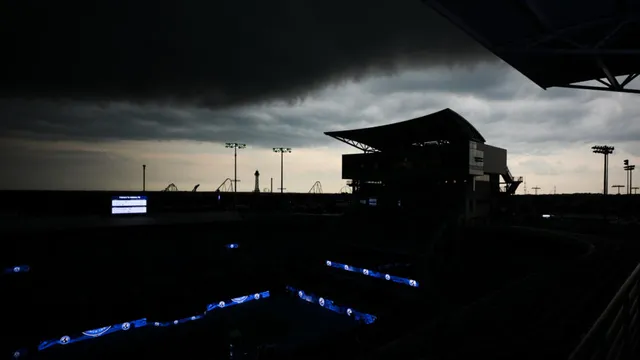
On August 10, 2026, severe weather struck the Chicago area and northwestern Indiana, resulting in widespread power outages affecting over half a million residents. The storms were characterized by perilous thunderstorms and extreme wind gusts, with reports indicating wind speeds reaching 80 mph or more. Tornado warning sirens were activated as the skies darkened, prompting residents to seek shelter. In addition to the power outages, all flights at Chicago's two major airports were temporarily halted, leading to significant delays as officials worked to clear the backlog of stranded flights.
The impact of the storms was particularly severe in Lake and Porter counties in Indiana, as well as Will County in Illinois, where many homes and properties sustained significant damage. Residents reported total devastation, with some losing roofs and other structural elements of their homes. Kerry Hourigan, a resident of Tinley Park, Illinois, described her experience, stating, "Total devastation. No roof," while also expressing concern over her recently purchased barbecue grill that had gone missing in the chaos.
In Ohio, the storms also caused power outages, with more than 166,000 customers in the state capital region affected. The widespread nature of the outages and damage highlights the severity of the weather conditions that day. Javid Jenkins, a resident of Homewood, a suburb of Chicago, shared his frightening experience during the storm, saying, "No power. It was very scary. We were down in the basement." This sentiment was echoed by many others who faced similar situations as the storms rolled through the region.
The storms serve as a reminder of the increasing frequency and intensity of severe weather events, which can be attributed to various factors, including climate change. As communities recover from this event, discussions about preparedness and infrastructure resilience will likely become more prominent. The aftermath of the storms will require significant efforts from local authorities and utility companies to restore power and assist affected residents in rebuilding their lives.

Comprehensive report
Full story,
in detail.
Trace the developments that led here, see how the story evolved, and understand the forces and wider context surrounding it.